

Exploring Open Defecation in India: A Reflection Through ‘The White Tiger’
In the landscape of Indian literature, few works have captured the stark realities of life in urban slums as powerfully as Aravind Adiga’s 2008 novel, The White Tiger. Set against the backdrop of the...

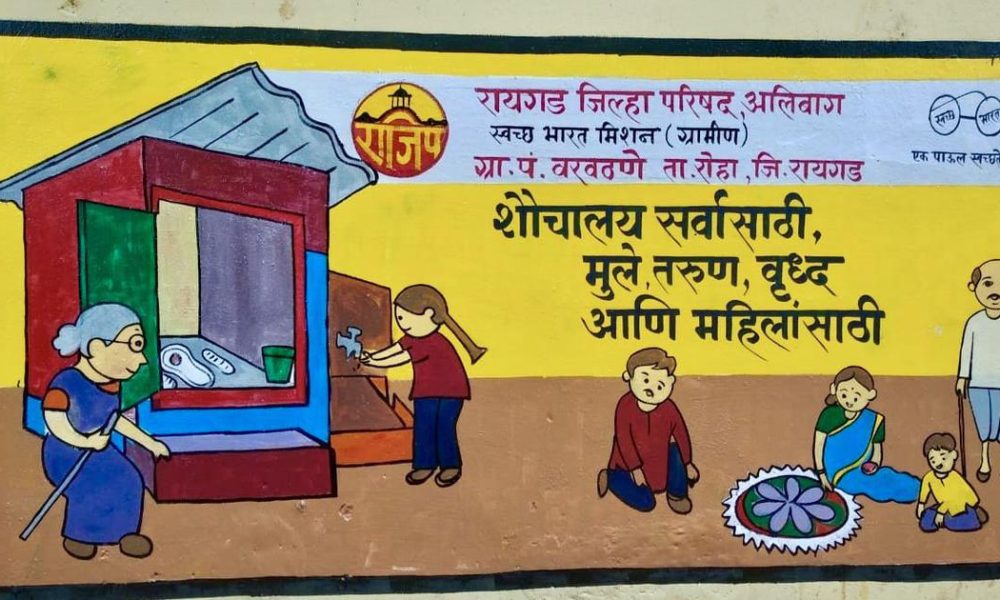
In the landscape of Indian literature, few works have captured the stark realities of life in urban slums as powerfully as Aravind Adiga’s 2008 novel, The White Tiger. Set against the backdrop of the bustling Delhi NCR region, the book provides a raw and unfiltered perspective on the harsh conditions faced by many, particularly concerning the issue of open defecation.
One striking passage describes a scene where men are seen defecating in the open, creating a barrier that is both a literal and metaphorical wall. This imagery serves as a poignant critique of the socio-economic divide that persists in Indian society. Those enduring these repugnant conditions often find themselves marginalized, living in makeshift homes while constructing luxurious residences for the affluent. The contrast is not just one of living conditions but also symbolizes the broader societal inequities.
Open defecation remains a pressing issue in India, underscoring a long-standing struggle with sanitation and public health. Despite significant strides made by various governments to address these concerns, such as the Swachh Bharat Abhiyan launched in 2014, the remnants of this practice still linger in many communities. It reflects a complex interplay of poverty, cultural norms, and infrastructural shortcomings, making it a deeply entrenched problem.
Adiga’s narrative not only highlights the physical discomfort and social stigma associated with open defecation but also delves into the ambitions and moral dilemmas of its protagonist, Balram Halwai. Through Balram’s journey from a poor villager to a successful entrepreneur, the novel paints a vivid picture of the challenges faced by individuals striving to escape the clutches of their socio-economic background. The tension between personal ambition and societal expectations is palpable, resonating with readers who understand the struggles of upward mobility in a capitalist framework.
The visceral realism depicted in The White Tiger prompts readers to confront the uncomfortable truths of contemporary India. By bringing attention to the issue of open defecation, the novel acts as a catalyst for discussions around sanitation, health, and the state of urban development. As India grapples with rapid urbanization and the push for modernization, the legacy of open defecation serves as a reminder of the urgent need for sustainable solutions that promote health and dignity for all citizens.
Source: scroll.in







No Comment! Be the first one.