

Supreme Court Dismisses Petition Against BJP Leaders Over Hate Speech Allegations
The Supreme Court of India has ruled that no cognizable offence has been established regarding a plea against prominent Bharatiya Janata Party (BJP) leaders Anurag Thakur and Parvesh Verma concerning...

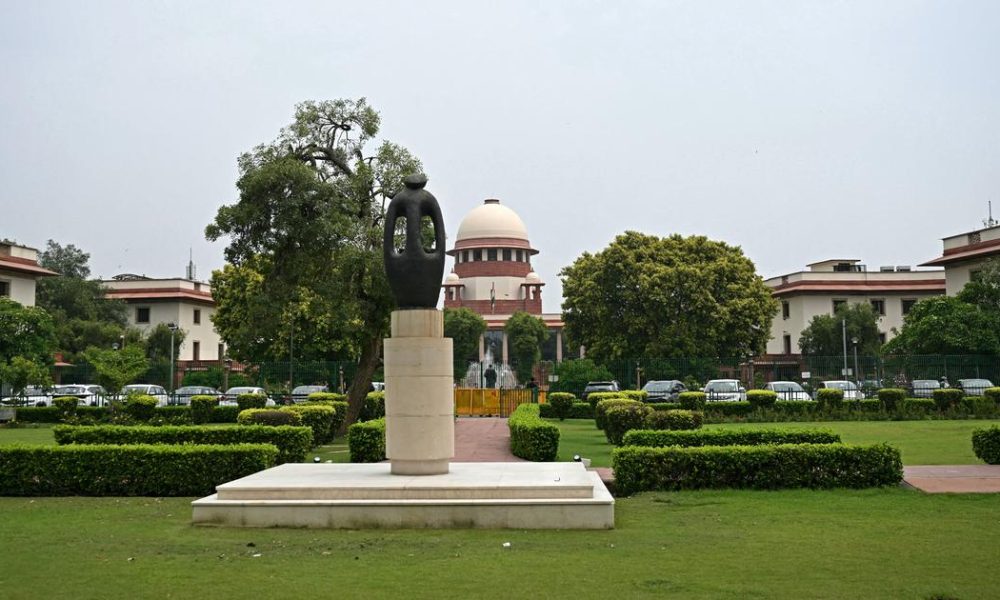
The Supreme Court of India has ruled that no cognizable offence has been established regarding a plea against prominent Bharatiya Janata Party (BJP) leaders Anurag Thakur and Parvesh Verma concerning alleged hate speech from 2020. The decision, delivered by Justices Vikram Nath and Sandeep Mehta, addresses a petition filed by Communist Party of India (Marxist) leader Brinda Karat, challenging a previous Delhi High Court order that upheld a trial court’s refusal to register a case against the BJP officials.
The controversy stems from speeches made by Thakur and Verma during a rally in January 2020, just before the Delhi Assembly elections. Thakur was recorded inciting a crowd with the words “desh ke gaddaron ko,” to which attendees responded with “goli maaro saalon ko,” translating to “shoot the traitors.” This remark was targeted towards demonstrators protesting against the Citizenship Amendment Act (CAA), a contentious legislation that has faced widespread criticism across the nation.
In a separate address, Parvesh Verma made alarming claims about protestors at Shaheen Bagh, suggesting that they would invade homes and commit acts of violence against women. These inflammatory statements came at a time of heightened tensions surrounding the CAA and were seen as contributing factors leading up to the riots that erupted in North East Delhi a month later, resulting in the loss of 53 lives and injuries to hundreds.
The Supreme Court’s ruling marks a significant moment in the ongoing discourse around freedom of speech and the responsibility of public figures to avoid inciting violence. While some have argued that such speeches are protected under the umbrella of free expression, others believe that they cross the line into incitement and hate speech.
This ruling also highlights the complexities of legal processes in dealing with political figures and allegations of hate speech in India. The decision could set a precedent for future cases involving similar allegations, thereby influencing the landscape of political discourse in the country.
Source: scroll.in



No Comment! Be the first one.