

Allahabad High Court Judge Critiques NHRC for Overlooking Muslim Lynching Cases
In a notable split verdict, a judge from the Allahabad High Court has raised critical concerns regarding the National Human Rights Commission’s (NHRC) apparent neglect of lynching incidents...

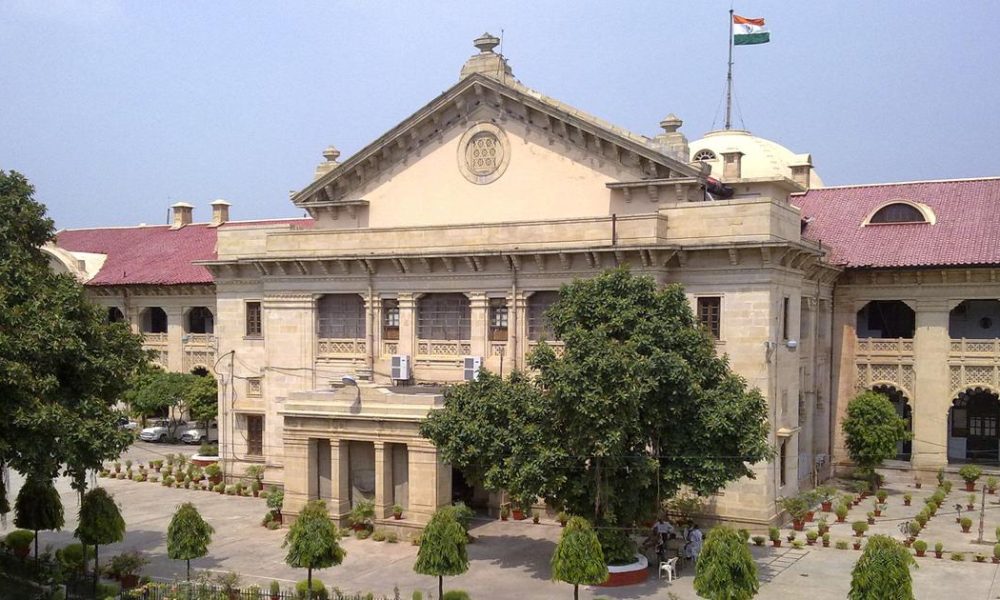
In a notable split verdict, a judge from the Allahabad High Court has raised critical concerns regarding the National Human Rights Commission’s (NHRC) apparent neglect of lynching incidents involving Muslims across India. During a hearing on a petition from the Teachers Association Madaris Arabia, Justice Atul Sreedharan expressed his astonishment that the NHRC appears to be engaging in issues that may not fall within its core responsibilities.
The case at hand originated from a directive issued by the NHRC in February 2025, which ordered the Economic Offences Wing to probe allegations against a total of 558 government-aided madrasas in Uttar Pradesh. These allegations included claims of financial misconduct, misuse of state funds, and the appointment of improperly qualified educators through fraudulent means. The NHRC’s decision to investigate was prompted by a complaint that highlighted these irregularities.
Justice Sreedharan, while deliberating on the petition, criticized the NHRC’s focus on matters he deemed extraneous to its jurisdiction. He articulated his concern that, while the commission should prioritize human rights issues, it seems to be veering off into investigations that could overshadow critical cases of violence against marginalized communities, particularly Muslims who have been victims of lynching.
Contrasting Justice Sreedharan’s views, his fellow bench member, Justice Vivek Saran, disagreed with such broad assertions regarding the NHRC’s role. The divergence in opinions highlights the ongoing debate around the commission’s mandate and its effectiveness in addressing human rights violations.
The petitioners argued that the NHRC’s actions were overreaching, as they contended that the commission lacks the jurisdiction to initiate inquiries into alleged violations that occurred more than one year prior. They sought an adjournment of the case to further discuss these points, indicating a need for clearer guidelines regarding the commission’s authority.
The discussions in the Allahabad High Court reflect a growing concern among various stakeholders about the handling of human rights issues in India, particularly in relation to communal violence and the rights of minority groups. As the NHRC continues its investigations, the balancing act between ensuring accountability for financial irregularities in educational institutions and addressing the critical issue of lynching will remain a significant challenge.
Source: scroll.in





No Comment! Be the first one.