

AAP Leaders Boycott Delhi HC Proceedings in Liquor Policy Case
In a significant development within the ongoing liquor policy case, Aam Aadmi Party (AAP) leader Durgesh Pathak announced on Tuesday that he would not appear before the Delhi High Court, either...

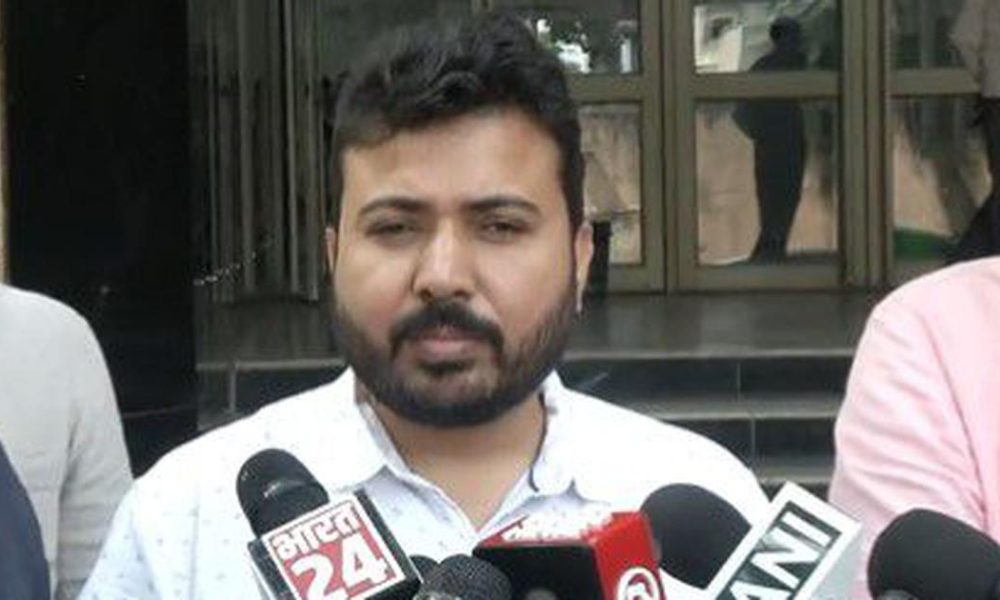
In a significant development within the ongoing liquor policy case, Aam Aadmi Party (AAP) leader Durgesh Pathak announced on Tuesday that he would not appear before the Delhi High Court, either personally or through legal representation. This announcement follows similar decisions made by party chief Arvind Kejriwal and former Deputy Chief Minister Manish Sisodia, both of whom have also opted out of participating in the proceedings presided over by Justice Swarana Kanta Sharma.
The case is currently under scrutiny as the Central Bureau of Investigation (CBI) challenges a trial court’s decision that had previously cleared Kejriwal, Sisodia, Pathak, and several others involved in the matter. The contentious hearings have highlighted the fraught relationship between the AAP and the judiciary, particularly amid allegations of bias and perceived affiliations.
Justice Sharma’s recent decisions have raised eyebrows among AAP leaders, who have voiced concerns regarding her impartiality. They argue that her participation in an event associated with the Rashtriya Swayamsevak Sangh (RSS), which is linked to the ruling Bharatiya Janata Party (BJP), indicates a potential conflict of interest. On April 20, Justice Sharma dismissed a petition requesting her recusal from the case, further intensifying tensions.
In his letter to the court, Pathak echoed Kejriwal’s sentiments, stating, “I share the concerns raised regarding the fairness of these proceedings. Therefore, I have decided not to engage further in the hearings, either through my presence or legal counsel.” His decision underscores a collective stance among AAP leaders to contest what they perceive as an unbalanced judicial process.
The escalating situation reflects the ongoing political battles in Delhi, where the AAP has frequently clashed with the central government and its agencies. As these legal proceedings unfold, they not only involve key political figures but also encapsulate broader questions about judicial neutrality and the intersection of politics and law in India.
Source: scroll.in




No Comment! Be the first one.