

Supreme Court Asserts Existing Laws Adequate to Address Hate Speech Issues
The Supreme Court of India has recently clarified that there is no need for additional directives to combat hate speech, asserting that current laws are sufficiently robust to handle this issue. The...

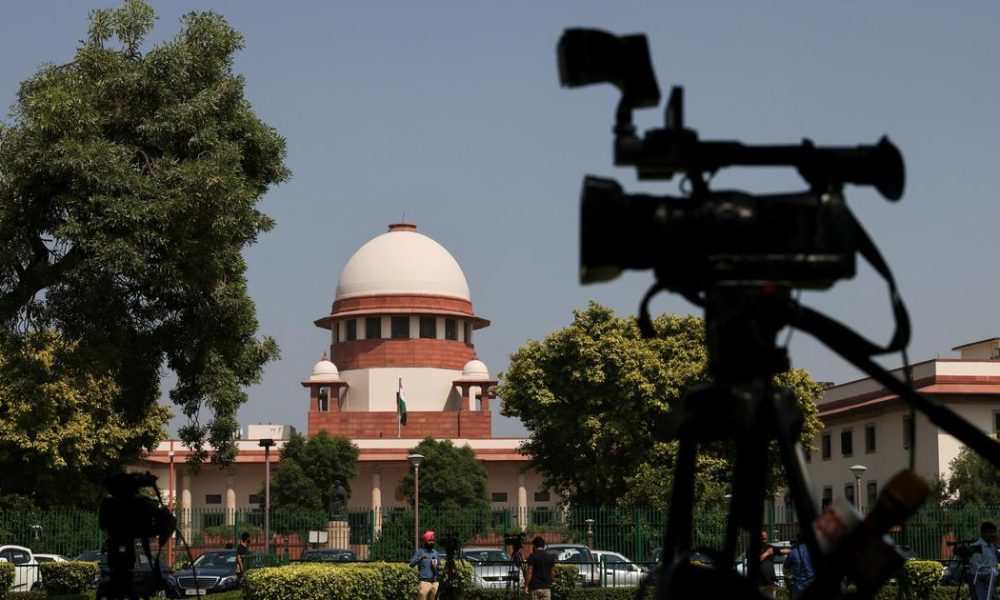
The Supreme Court of India has recently clarified that there is no need for additional directives to combat hate speech, asserting that current laws are sufficiently robust to handle this issue. The court’s decision came during a hearing of multiple petitions that sought enhanced guidelines to tackle hate speech.
The bench, comprising Justices Vikram Nath and Sandeep Mehta, emphasized that the belief in a legislative gap concerning hate speech is a misunderstanding. They reiterated that the judicial system does not have the authority to create new offences or broaden the scope of criminal liability merely through judicial pronouncements. Instead, the creation of criminal laws remains the prerogative of the legislature, reflecting the constitutional principle of separation of powers.
In its ruling, the court acknowledged the need for reforms but stated that it could only highlight these needs rather than impose new legal frameworks. The existing legal mechanisms, particularly those enshrined in the Indian Penal Code and associated statutes, were deemed adequate in addressing actions that incite hatred, provoke religious sentiments, or disrupt public order. The bench also pointed out that the Bharatiya Nagarik Suraksha Sanhita enables the filing of first information reports (FIRs) for cognizable offences, thereby providing necessary legal remedies.
These observations come at a time when hate speech has emerged as a significant concern in Indian society, particularly in the context of rising communal tensions. Various civil society groups and activists have been advocating for stricter measures to prevent hate speech, arguing that the current laws do not adequately deter individuals from making incendiary remarks. However, the court’s stance suggests a belief in the existing legal framework’s ability to address such grievances effectively.
The Supreme Court’s ruling has sparked discussions among legal experts and human rights advocates regarding the adequacy of existing laws. While some argue for legislative reforms to fill perceived gaps, others support the court’s viewpoint that enforcing existing laws more rigorously may be a more effective approach. The ongoing debate raises critical questions about the balance between free speech and the need to maintain public order, a dilemma that continues to challenge policymakers in India.
Source: scroll.in







No Comment! Be the first one.