

Kerala High Court Raises Concerns Over Voting Rights of Polling Staff
The Kerala High Court has voiced serious concerns regarding the Election Commission’s handling of voting rights for government officials assigned to election duty. During a hearing on Tuesday,...

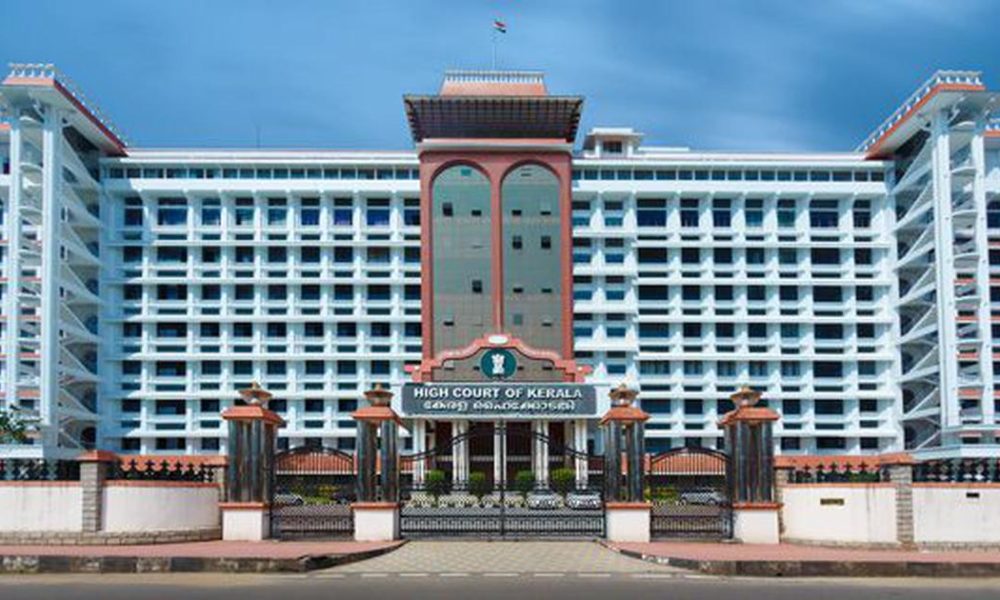
The Kerala High Court has voiced serious concerns regarding the Election Commission’s handling of voting rights for government officials assigned to election duty. During a hearing on Tuesday, Justice KV Jayakumar highlighted allegations that 21,156 personnel were denied the opportunity to vote in the recent Assembly polls held on April 9. He described the situation as ‘unfortunate’ and emphasized the need for the Election Commission to ensure that all eligible citizens can participate in the democratic process.
The court’s remarks came in response to multiple petitions claiming that government officials stationed at polling locations faced significant obstacles in casting their votes. The petitions specifically sought the availability of postal ballots for these officials and requested an extension of the deadline for voting. Prior to this hearing, on April 8, the court had instructed the Election Commission to expedite the distribution of postal ballots to individuals on duty, signaling its commitment to uphold voting rights.
Despite initial assurances from the Election Commission to facilitate voting for these personnel, petitioners’ legal representatives argued that many officials did not receive their postal ballots, despite timely applications being submitted. During the recent court proceedings, the counsel reiterated the gravity of the situation, claiming that a substantial number of election workers were effectively disenfranchised. ‘Postal ballots were not issued properly,’ the legal counsel stated, reflecting the frustrations faced by those who were expected to fulfill their civic duties.
The Election Commission has a critical role to play in maintaining the integrity of the electoral process. With over 21,000 officials unable to vote, questions have been raised about the systemic flaws in the arrangements made for those engaged in the democratic process. The High Court’s intervention underscores the necessity for a robust mechanism that ensures no eligible voter, especially those serving the country during elections, is sidelined.
This ongoing legal discourse not only sheds light on the procedural shortcomings of the Election Commission but also invites broader conversations about the rights of government employees during elections. As the court continues to deliberate on the matter, the outcome may have significant implications for future electoral processes in India, emphasizing the importance of inclusivity and accessibility in voting.
Source: scroll.in


No Comment! Be the first one.