

Anurag Banerjee Explores Shillong’s Music Legacy in New Book Amid Cultural Tensions
Recently, I had the opportunity to meet Anurag Banerjee shortly after a poetry reading at the Shillong Literature Festival. His approachable demeanor often leads to spontaneous interruptions as...

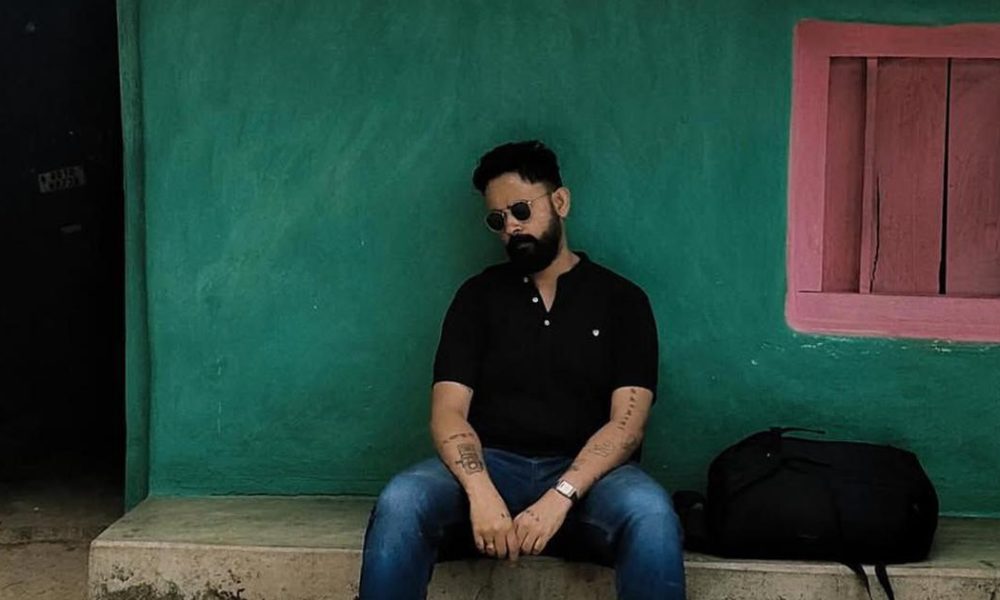
Recently, I had the opportunity to meet Anurag Banerjee shortly after a poetry reading at the Shillong Literature Festival. His approachable demeanor often leads to spontaneous interruptions as friends and acquaintances stop to chat. In fact, during our conversation, he was momentarily side-tracked by a fellow attendee, showcasing his popularity and the tight-knit nature of the community.
Banerjee identifies as a ‘dkhar,’ a term used in Khasi culture to describe non-tribals, which positions him as an outsider in a city where identity is intricately woven into one’s lineage and community ties. As a multifaceted photographer and writer, he has recently released a two-volume work titled The Songs of Our People, which is deeply informed by the protests against the Citizenship Amendment Act (CAA) and the National Register of Citizens (NRC) that erupted in 2020. This project represents not just a collection of music stories, but also a personal journey of understanding his roots and the complexities surrounding them.
The first volume, which is set to be published in 2024, shines a spotlight on the younger generation of musicians and the politically charged genres like rap and R&B. This compilation is enriched by 19 in-depth interviews, complemented by collaborative portraits that capture the essence of these artists and their music. Banerjee’s approach to storytelling emphasizes the significance of listening, a theme that resonates throughout his work.
The second volume, released late last year, takes a different direction by highlighting influential teachers, choirs, and the artists responsible for shaping Shillong’s vibrant music landscape. This volume also allows Banerjee to weave his own narrative into the broader tapestry of Shillong’s music scene, illustrating how personal and collective stories intersect. The act of listening, he argues, is not merely passive but an integral part of understanding and narrating these experiences.
Through his work, Banerjee aims to bridge the gap between the local music community and broader political themes, illustrating how art can be a powerful vehicle for change and understanding in times of conflict. His commitment to documenting these stories not only preserves the rich cultural heritage of Shillong but also invites readers to reflect on the role of music in shaping identities and responding to societal issues.
Source: scroll.in






No Comment! Be the first one.