

HSBC Downgrades Indian Stocks Again Amid Escalating Oil Prices and Geopolitical Tensions
In a significant move reflecting growing economic concerns, HSBC has once again downgraded Indian equities, shifting its stance from “neutral” to “underweight” due to...

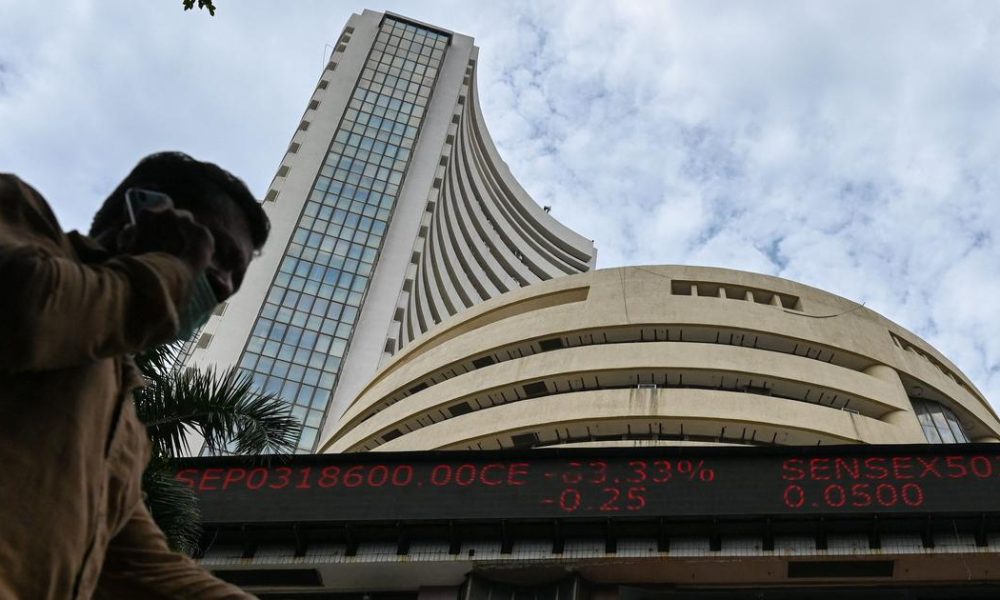
In a significant move reflecting growing economic concerns, HSBC has once again downgraded Indian equities, shifting its stance from “neutral” to “underweight” due to persisting high global oil prices exacerbated by the ongoing conflict in West Asia. This marks the second downgrade in a month, following a previous reduction from “overweight” to “neutral” on March 31.
The latest downgrade indicates that HSBC is advising investors to reduce their exposure to Indian stocks. This caution stems from fears that rising inflation and elevated oil prices will adversely impact corporate earnings in the country. As of Thursday, Brent crude oil was trading above the $100 per barrel mark, raising alarms about the potential for further economic strain. In contrast, just prior to the escalation of the conflict, Brent was priced at approximately $78 per barrel on February 27.
The repercussions of such geopolitical instability are being felt across global markets. On Thursday, major Asian stock indices, including those from Tokyo, Hong Kong, Shanghai, Sydney, Singapore, Taipei, Bangkok, and Wellington, reported declines. In India, the benchmark Sensex index has seen a drop of nearly 7.9% this year, while the Nifty index has fallen by around 6.7%, as per reports from Reuters.
HSBC’s analysis highlights that, under the current macroeconomic conditions, India appears less appealing compared to its North East Asian counterparts. The war in West Asia, particularly the tensions surrounding Iran, has created an atmosphere of uncertainty, leading to speculation about whether diplomatic efforts will yield any resolution soon. This uncertainty is further pressuring oil prices, subsequently impacting markets worldwide.
As investors navigate this turbulent landscape, the focus now shifts to how Indian companies will adapt to these challenges. With inflation on the rise and production costs climbing due to higher oil prices, many businesses may face tighter profit margins. The Indian government and financial policymakers will need to monitor these developments closely, as the potential for slower economic growth looms amid these external pressures. As the situation evolves, market participants will be keen to see how the Indian economy responds to these significant global shifts.
Source: scroll.in







No Comment! Be the first one.