

Debunking Rice Myths: A Nutritionist’s Guide to Healthy Consumption
The longstanding belief that rice contributes directly to weight gain is a myth that many still adhere to. In her new book, a nutritionist aims to challenge this misconception and emphasizes the...

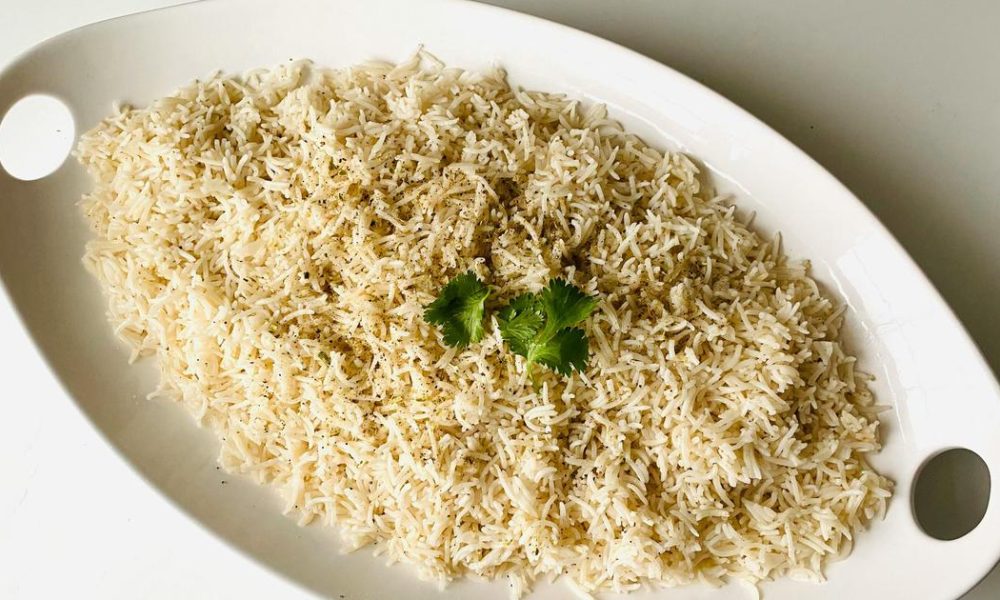
The longstanding belief that rice contributes directly to weight gain is a myth that many still adhere to. In her new book, a nutritionist aims to challenge this misconception and emphasizes the importance of moderation when it comes to consuming rice. Both rice and the traditional wheat chapati are essential sources of carbohydrates in Indian cuisine, and it is crucial to understand that neither of these staples inherently causes weight gain.
According to the nutritionist, the real factor influencing weight is not the food itself but rather the overall caloric intake versus expenditure. Weight gain is primarily a result of an imbalance in calories consumed and calories burnt throughout the day. A significant issue arises from portion sizes; typical servings of rice can often be much larger than necessary. Many individuals find themselves consuming entire bowls of rice, which can lead to excessive calorie intake.
Moreover, rice is frequently paired with high-calorie accompaniments like pickles, ghee, papads, and chips. These additions can dramatically increase the total caloric load of a meal. As a result, when people attempt to lose weight by cutting out rice from their diets, they often experience a drop in weight. This change is not solely due to eliminating rice but also because they are inadvertently reducing their overall calorie intake by discontinuing these high-calorie side dishes.
The nutritionist also highlights how the perception of rice being ‘bad’ for health can lead to unnecessary dietary restrictions. Many individuals who have successfully lost a few kilograms by quitting rice may not realize that their weight loss is influenced by the reduction of high-calorie accompaniments typically consumed with it. Tracking what and how much one eats is essential in understanding how to maintain a balanced diet.
In summary, the nutritionist advocates for a balanced approach to eating rice, suggesting moderation and mindfulness over outright elimination. Instead of fearing rice as a weight-gain culprit, individuals can enjoy it as part of a healthy diet if they monitor their portion sizes and complement it with nutritious, lower-calorie sides. This balanced perspective is not only beneficial for weight management but also crucial for maintaining a healthy relationship with food.
Source: scroll.in







No Comment! Be the first one.