

Women’s Reservation Act 2023 Officially Enacted Amid Ongoing Parliamentary Debate on Amendments
The Women’s Reservation Act, 2023, which aims to allocate 33% of seats for women in the Lok Sabha and State Legislative Assemblies, officially came into effect on Thursday following a notification...

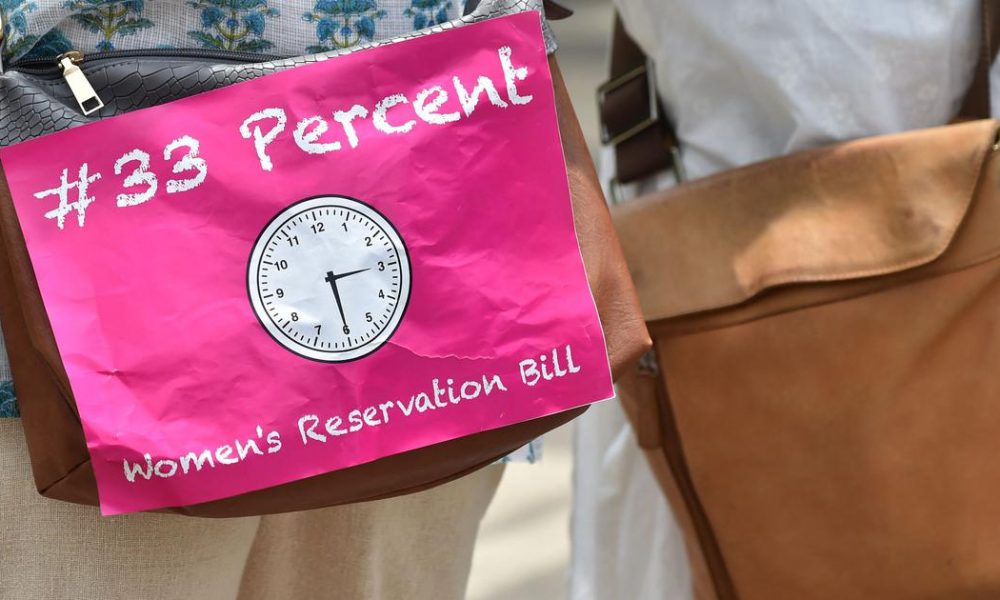
The Women’s Reservation Act, 2023, which aims to allocate 33% of seats for women in the Lok Sabha and State Legislative Assemblies, officially came into effect on Thursday following a notification from the Union Law Ministry. This significant legislation serves as a landmark initiative to enhance women’s representation in Indian politics. The gazette notification indicated that the provisions of the Constitution (One Hundred and Sixth Amendment) Act began from April 16, marking a historic step towards gender equality in governance.
However, the enactment arrives at a time when Parliament is actively discussing new constitutional amendments related to this same law. These proposed modifications include changes to the timeline for implementing the reservation. For these amendments to succeed, they require approval from both the Lok Sabha and Rajya Sabha by a special majority, which necessitates a two-thirds vote from the members present and voting. The ruling National Democratic Alliance (NDA) currently lacks this two-thirds majority in the Lok Sabha, meaning it will rely on the support of other political factions to pass the amendments.
Although the 2023 Act received the President’s assent earlier this year, its implementation had been on hold, as a commencement date was pending notification from the Union Government. With the law now active, it is important to note that its provisions cannot be put into practice immediately. As per the Act’s stipulations, reserved seats for women will only be allocated following the completion of the delimitation exercise, which is contingent upon the next Census. This requirement could result in further delays before women can actively benefit from the newfound political representation.
The introduction of such a reservation is poised to reshape the political landscape in India. Advocates of the Act argue that it is a crucial step towards achieving gender parity in governance and ensuring that women’s voices are represented in legislative processes. The Act also reflects the growing recognition of women’s rights and contributions to society, resonating with ongoing movements for equality across various sectors.
As debates continue in Parliament over potential amendments, the coming weeks will be critical in determining how and when this landmark legislation will be fully operational. The political dynamics amongst various parties will play a significant role in shaping the future of women’s representation in India, making it imperative for citizens to stay informed and engaged in the unfolding developments.
Source: scroll.in







No Comment! Be the first one.