

General Krishnaswamy Sundarji: The Visionary Leader of Modern Indian Warfare
General Krishnaswamy Sundarji’s military career is marked by a series of transformative decisions that have cemented his legacy in the Indian armed forces. One notable chapter in his journey...

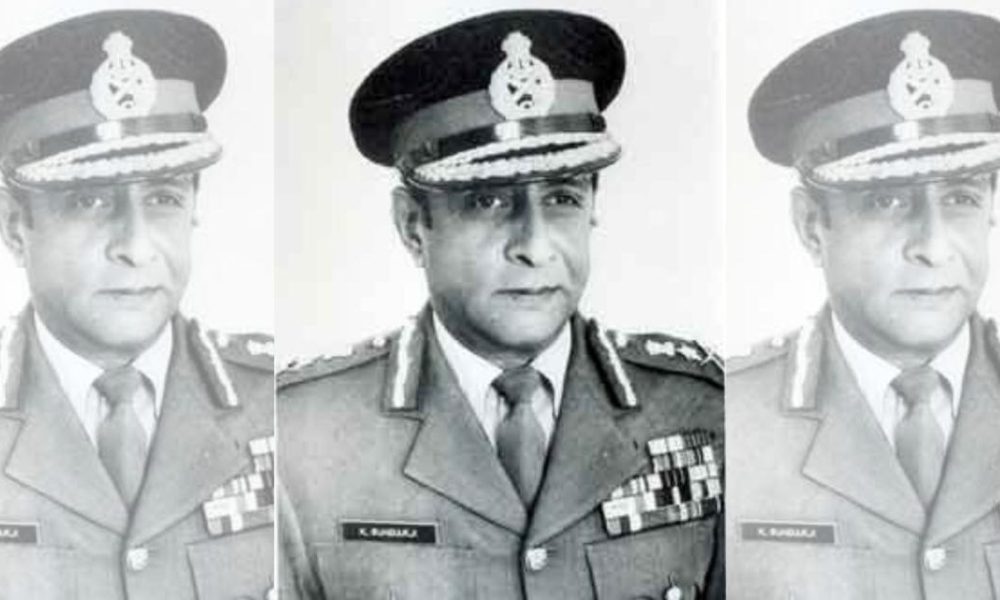
General Krishnaswamy Sundarji’s military career is marked by a series of transformative decisions that have cemented his legacy in the Indian armed forces. One notable chapter in his journey was his time at the prestigious Command and General Staff College (CGSC) located at Fort Leavenworth, Kansas. Established in 1927, this US Army post evolved into a hub for military education, emphasizing the importance of strategy and leadership in modern warfare.
Sundarji attended the CGSC from 1967 to 1968 as part of the Senior Officers Preventive Maintenance Course. During his time at Fort Leavenworth, he gained invaluable insights into the integration of technology, mobility, and speed in combat scenarios. His performance at the college was exceptional, earning him a unique distinction as the only Indian officer ever rated highly enough to be deemed fit for command within a NATO army.
This experience was a pivotal moment for Sundarji, as it not only validated his existing strategies but also broadened his understanding of military practices on a global scale. The exposure to the advanced military doctrines of the West profoundly influenced his approach to warfare, which he would later implement during critical operations in India.
Throughout his career, Sundarji was known for his dramatic and decisive actions on the battlefield. He understood the importance of adapting to the evolving nature of warfare, which often meant making bold choices in high-pressure situations. His leadership style was characterized by a blend of traditional military tactics and innovative strategies, ensuring that his forces remained agile and responsive.
As India faced various security challenges during Sundarji’s tenure, his experiences abroad provided a framework for addressing these issues with a modern perspective. His ability to synthesize Western military theories with Indian operational realities marked a new era in the Indian Army, where the emphasis shifted towards a more dynamic and technologically advanced approach to combat.
Source: scroll.in






No Comment! Be the first one.