

Supreme Court Halts Bail for Congress Leader Pawan Khera Amid Assam Police Case
The Supreme Court of India has temporarily paused the anticipatory bail that was granted to Congress leader Pawan Khera by the Telangana High Court. This decision arises from a case registered by the...

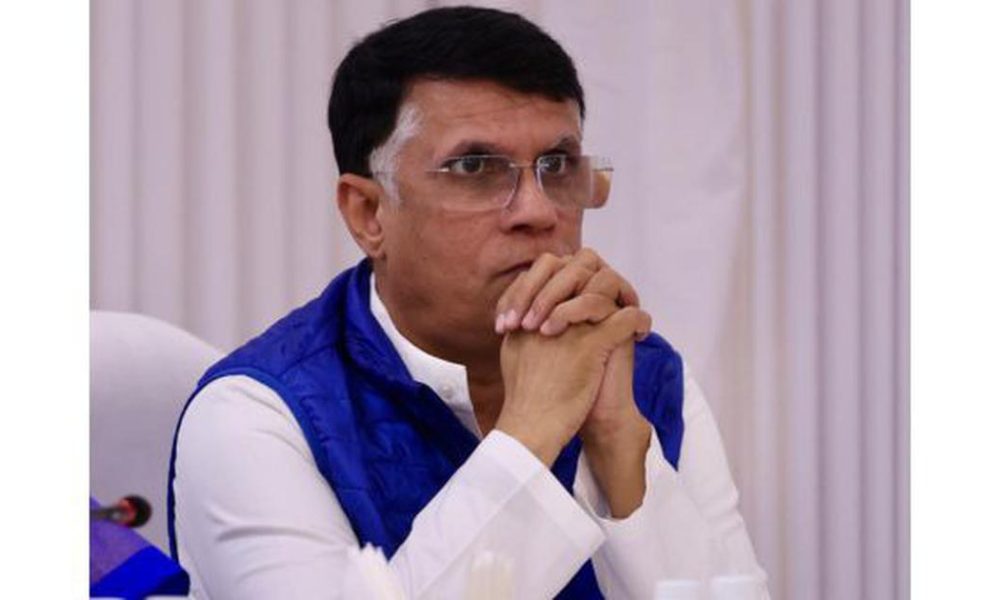
The Supreme Court of India has temporarily paused the anticipatory bail that was granted to Congress leader Pawan Khera by the Telangana High Court. This decision arises from a case registered by the Assam Police, stirring significant political discourse across the nation. The apex court expressed its astonishment regarding the decision made by the Telangana High Court on April 10, which paved the way for Khera’s bail.
The controversy surrounding Khera intensified after he made allegations against Riniki Bhuyan Sarma, the wife of Assam Chief Minister Himanta Biswa Sarma, claiming she held multiple passports from various countries. Following these claims, a first information report (FIR) was lodged against Khera, prompting the legal actions that followed. In the Supreme Court, Solicitor General Tushar Mehta argued that Khera’s plea for bail in Telangana constituted a misuse of legal processes, thereby justifying the Supreme Court’s intervention.
In another significant legal development, Arvind Kejriwal, the chief of the Aam Aadmi Party, has filed a fresh affidavit requesting Justice Swarana Kanta Sharma to recuse herself from presiding over the Central Bureau of Investigation’s (CBI) appeal concerning his discharge in the contentious Delhi liquor policy case. Kejriwal raised concerns regarding potential bias, citing that Justice Sharma’s children are associated with the Union government as counsels. This connection is particularly notable as the Solicitor General, who is representing the CBI in the case, is also responsible for allocating cases to them.
These developments reflect ongoing tensions within Indian politics, particularly as various leaders find themselves embroiled in legal battles that intersect with broader issues of governance and accountability. The implication of these cases on public perception and political narratives is profound, as they highlight the intricate relationship between legal processes and political rivalry in India.
As these cases unfold, they draw attention not only to the legal frameworks governing political figures but also to the public’s growing awareness of judicial integrity and its role in maintaining democratic standards. The outcomes of these cases will likely resonate beyond the immediate political landscape, influencing future interactions between the state’s legal apparatus and its political entities.
Source: scroll.in







No Comment! Be the first one.