

Péter Magyar’s Tisza Party Shakes Up Hungary’s Political Landscape
In a significant development for Hungary’s political arena, the Tisza Party led by Péter Magyar has achieved a remarkable victory in the recent parliamentary elections. This triumph is not...

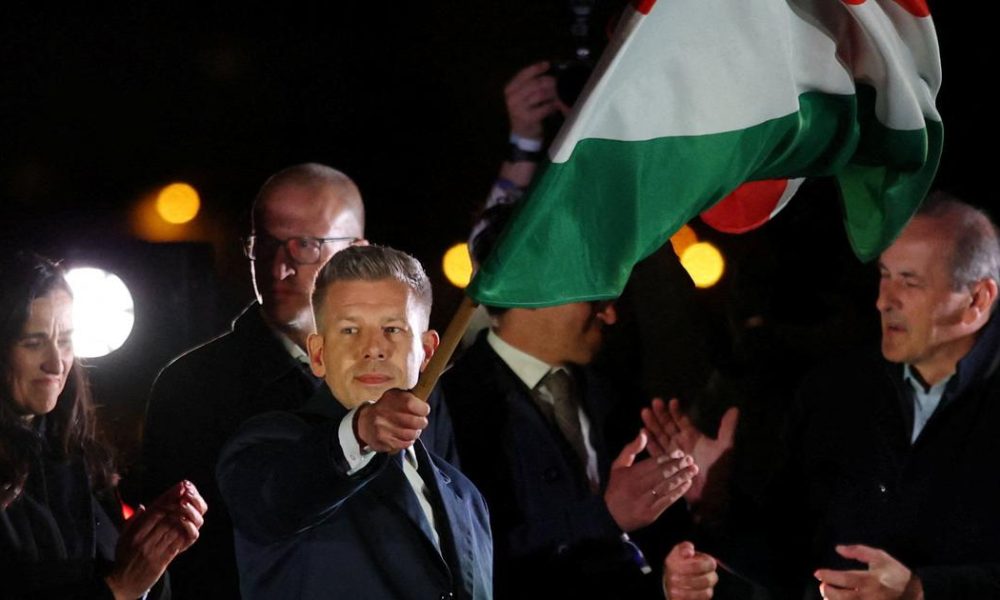
In a significant development for Hungary’s political arena, the Tisza Party led by Péter Magyar has achieved a remarkable victory in the recent parliamentary elections. This triumph is not merely a shift in governance; it signifies the end of an era marked by what critics have termed an ‘electoral autocracy.’ This regime, under the leadership of Viktor Orbán and his Fidesz party, had manipulated the electoral process to create an illusion of democracy while consolidating power in a manner that stifled true political opposition.
The foundation of Orbán’s regime rested on three primary pillars. The first was the centralization of authority, which saw the systematic dismantling of constitutional checks and balances. Orbán came to power in 2010 during a period characterized by widespread public dissatisfaction stemming from corruption scandals and economic turmoil. Seizing the moment, he rapidly took control of essential state institutions—the judiciary, tax authorities, prosecutor’s office, and the election commission—ensuring they were staffed with loyalists. This transformation allowed him to use these bodies as tools for maintaining his grip on power.
Corruption represented the second pillar supporting Orbán’s regime. By channeling significant state resources to a select group of oligarchs and personal associates, Orbán effectively created a network of elite benefactors who owed their wealth and status to his administration. One notable example is Lőrinc Mészáros, a childhood friend of Orbán’s, who ascended from a minor local businessman in 2010 to the wealthiest individual in Hungary by 2018, highlighting the extent of the regime’s favoritism and skewed tendering processes.
The third pillar, although less discussed, involves the strategic control over media and public discourse. By fostering an environment of media consolidation, the Orbán government managed to suppress dissenting voices and present a narrative that favored its policies and actions. This manipulation of information played a crucial role in shaping public perception and maintaining the regime’s legitimacy.
The Tisza Party’s electoral victory signals a potential turning point for Hungary, as it not only reflects a rejection of Orbán’s administration but also paves the way for a more democratic governance structure that could restore lost institutional integrity. As the new government takes office, the challenges ahead include dismantling the entrenched systems of patronage and corruption while fostering a political environment conducive to genuine electoral competition. Observers worldwide will be watching closely, as Hungary’s political evolution may provide valuable insights for other nations grappling with similar issues of governance and democracy.
Source: scroll.in







No Comment! Be the first one.