

Modi Government Seeks to Redefine Lok Sabha’s Composition with Women’s Reservation and 2011 Census Data
The Modi administration has been vocal about its commitment to advancing women’s political representation, recently announcing a special session of Parliament to expedite the Women’s...

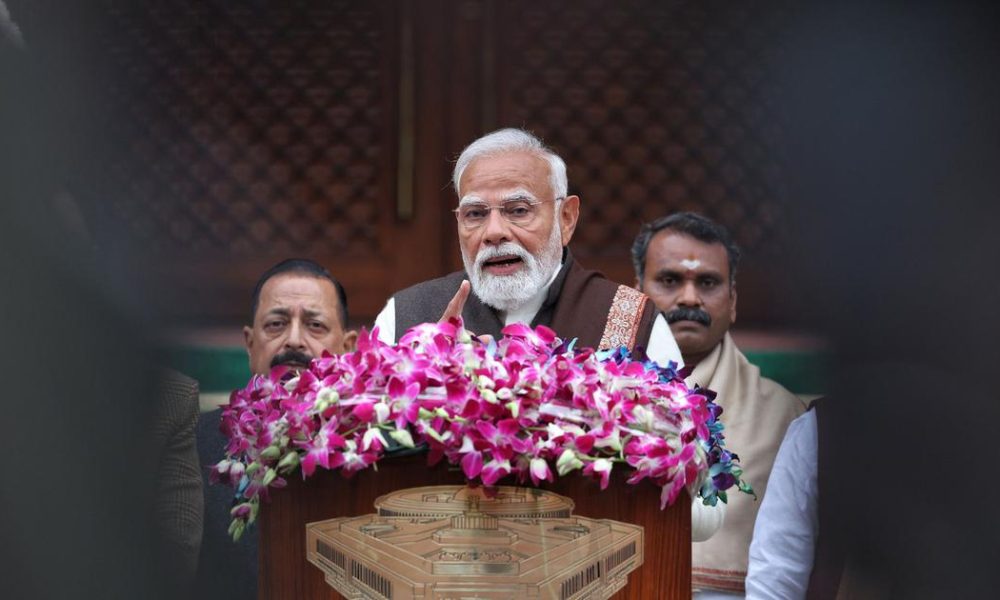
The Modi administration has been vocal about its commitment to advancing women’s political representation, recently announcing a special session of Parliament to expedite the Women’s Reservation Act. However, just days before this session begins, reports have surfaced indicating that the government intends to implement substantial changes to the Lok Sabha’s composition, essentially using the 2011 census data to redraw political boundaries.
These proposed changes could have significant implications for political representation across the country, particularly in southern states. Since the current allocation of parliamentary seats is based on the 1971 census, the shift to using 2011 data would likely reduce the number of seats allocated to southern states. This is primarily due to the demographic trends observed since 1971, where birth rates in the south have been markedly lower compared to the northern states. As a result, redistricting based on more recent population data would skew representation toward the northern and central regions of India.
The timing of this special session is particularly noteworthy, as it coincides with ongoing Assembly elections in key states like West Bengal and Tamil Nadu. These states are known for their substantial representation of Opposition parties, and the session’s proceedings could divert attention and resources away from electoral campaigns. Critics argue that this legislative maneuver is strategically designed to mitigate the influence of Opposition MPs during a critical electoral period.
Opposition parties have expressed concerns that the proposed population-based delimitation would create a disproportionate advantage for northern and central states in the Lok Sabha. Given that the ruling Bharatiya Janata Party (BJP) enjoys a stronger support base in these regions, the changes could lead to an imbalance in political representation at the national level. This would not only affect the distribution of parliamentary seats but could also shift the political landscape significantly.
As the special session approaches, the debate surrounding these proposed changes is intensifying. Advocates for women’s representation argue that the Women’s Reservation Act should be implemented without altering existing seat allocations based on population dynamics, while critics warn that failing to consider regional population disparities could exacerbate existing inequalities within the parliamentary framework. The outcome of this session could redefine not just the representation of women in politics, but also the broader dynamics of power and governance in India.
Source: scroll.in







No Comment! Be the first one.