

Delimitation in Assam and Kashmir: Accusations of Gerrymandering Emerge Ahead of 2029 Elections
The recent proposal by the Narendra Modi administration to expand the Lok Sabha from 543 to 850 seats, with one-third allocated for women, has stirred significant political controversy. At the center...

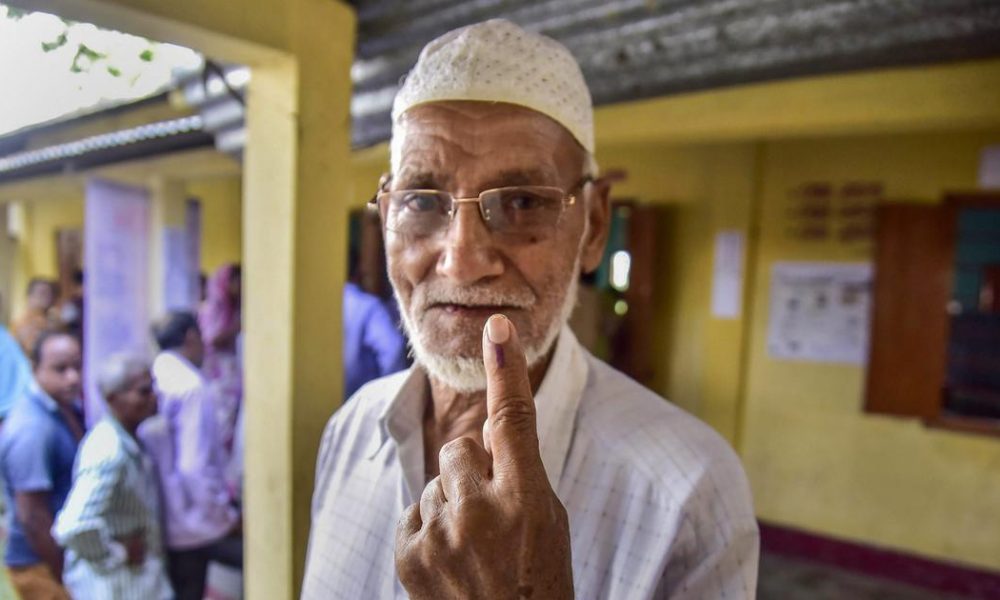
The recent proposal by the Narendra Modi administration to expand the Lok Sabha from 543 to 850 seats, with one-third allocated for women, has stirred significant political controversy. At the center of this debate is the formation of a Delimitation Commission tasked with redrawing parliamentary boundaries, a move that many critics, including opposition leader Rahul Gandhi, claim is designed to benefit the ruling Bharatiya Janata Party (BJP) ahead of the 2029 elections.
Gerrymandering, the practice of manipulating electoral district boundaries to favor a specific party, has been a focal point of accusations against the government. Gandhi has pointed to the recent delimitation processes conducted in Assam and Jammu and Kashmir as prime examples of this alleged manipulation. He contends that these exercises were strategically executed to diminish Muslim representation while enhancing the electoral prospects for the BJP.
The delimitation in Jammu and Kashmir, implemented in 2020, and the subsequent one in Assam in 2023, have both faced intense scrutiny. Critics argue that the redrawing of constituency lines has often overlooked established geographical and cultural boundaries, leading to concerns about their fairness and representation. Observers have noted that this approach may significantly alter the political landscape in these regions, particularly affecting communities less likely to support the BJP.
Analysts and political commentators have described the 2023 delimitation in Assam as a particularly divisive affair. They have raised alarms that the process was influenced by sectarian considerations, which some have labeled as a “communal” exercise. Their concerns stem from the belief that the recent changes in district boundaries may serve to dilute the voting power of Muslim populations, a strategy that could empower parties aligned with the BJP.
As the political climate continues to heat up ahead of the elections, the implications of these delimitation exercises are being closely monitored. The opposition warns that if such practices persist, they could fundamentally alter the democratic fabric of the nation, raising questions about equal representation and fair electoral processes. As discussions unfold, the public remains keenly aware of the potential consequences of these redistricting efforts on future elections in India.
Source: scroll.in






No Comment! Be the first one.