

Kunal Kamra Faces Legislative Summons Over Controversial Remarks Against Eknath Shinde
On April 9, renowned comedian Kunal Kamra found himself summoned by the privilege committee of the Maharashtra Legislative Council due to his controversial remarks about Deputy Chief Minister Eknath...

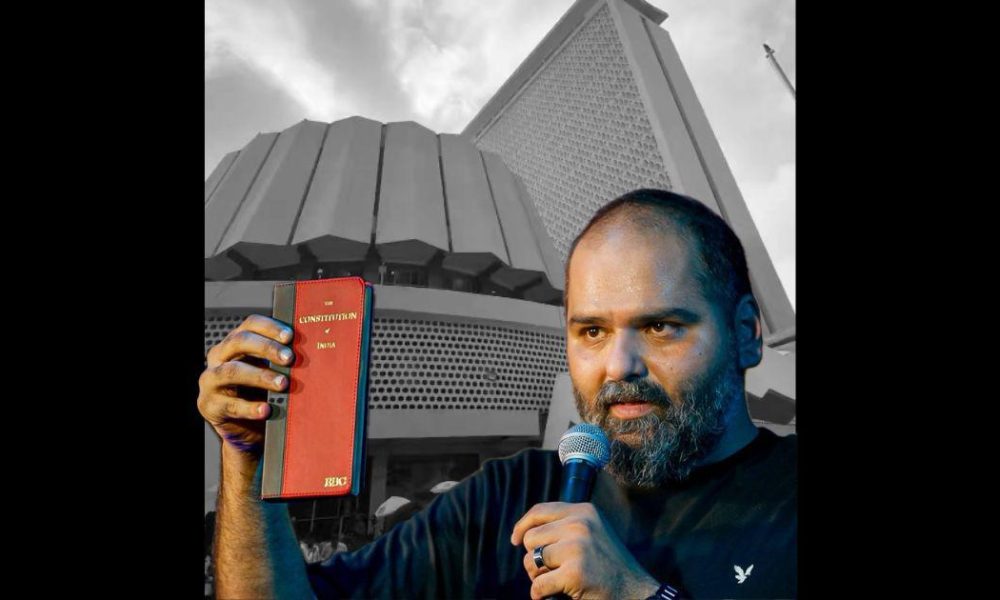
On April 9, renowned comedian Kunal Kamra found himself summoned by the privilege committee of the Maharashtra Legislative Council due to his controversial remarks about Deputy Chief Minister Eknath Shinde. The summons comes after Kamra declined to issue an “unconditional apology” for his satirical comments, which many in the ruling party viewed as derogatory.
The controversy traces back to a stand-up comedy video posted by Kamra on YouTube in March 2025, where he delivered a satirical song labeling Shinde a “traitor” for abandoning the undivided Shiv Sena to ally with the Bharatiya Janata Party (BJP) in July 2022. This political shift contributed to the collapse of the Maha Vikas Aghadi government. Following the video’s release, BJP legislator Pravin Darekar initiated a breach of privilege motion, arguing that Kamra’s jokes undermined the dignity of the legislative assembly.
In a related development, Sushma Andhare, a spokesperson for the Shiv Sena’s UBT faction, was also summoned for allegedly supporting Kamra’s statements. A breach of privilege motion serves as a formal action taken by the legislature, allowing it to summon individuals accused of offending its dignity or disrupting proceedings. The power to issue such summons, however, raises questions about freedom of expression and artistic liberty in India.
During the privilege committee’s questioning, Kamra defended his position by stating that an apology would not be genuine and could set a concerning precedent for artists and their right to free speech. His refusal underscores a broader discourse in India about the boundaries of political satire and the repercussions it can have on comedians and artists who critique those in power.
This incident highlights the ongoing tension between political authority and artistic expression in India, particularly in a climate where colonial-era laws continue to affect modern governance. As Kamra’s case unfolds, it will be crucial to observe how it influences the cultural landscape and the rights of individuals to critique government officials without fear of retaliation.
Source: scroll.in







No Comment! Be the first one.