

Climate Change Threatens Sugarcane Yields, Impacting Rural Economy in India
Sugarcane is a cornerstone of India’s rural economy, especially in the Deccan Plateau, where its cultivation has seen significant growth in recent years. However, a comprehensive long-term study...

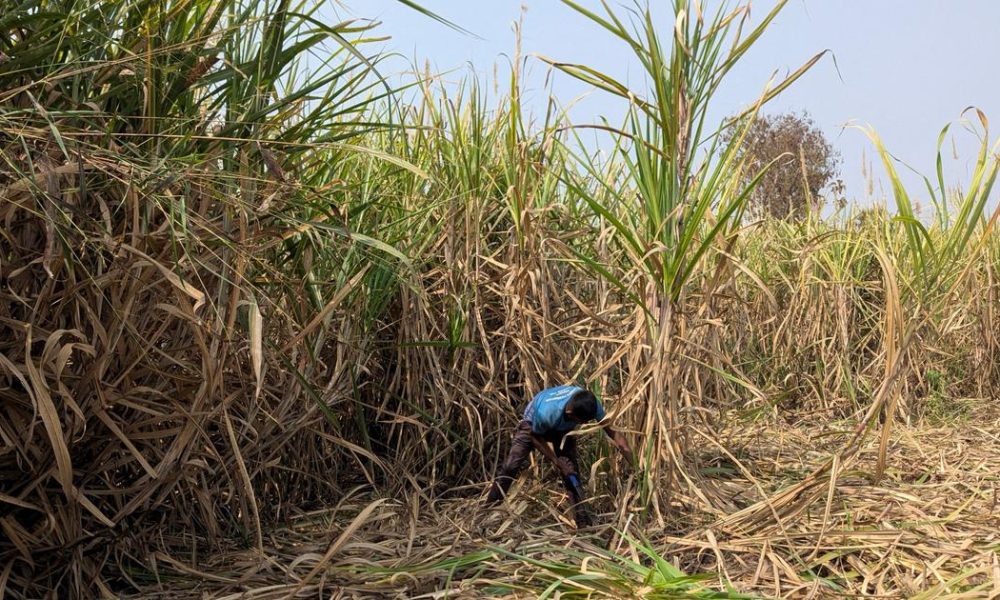
Sugarcane is a cornerstone of India’s rural economy, especially in the Deccan Plateau, where its cultivation has seen significant growth in recent years. However, a comprehensive long-term study reveals that this vital crop is becoming increasingly susceptible to climate variability, posing a threat to the livelihoods of millions of farmers.
The study, which spanned over two decades and focused on five districts in Maharashtra and Karnataka, investigated the intricate relationship between sugarcane production and changing climatic conditions. According to Krishna Kumar, a researcher from the Department of Applied Science and Humanities at MIT-ADT University in Pune, the findings indicate a troubling trend: while sugarcane remains a key economic activity, its productivity is facing challenges due to unpredictable weather patterns.
Historically, sugarcane farming has fueled the operations of sugar mills, ethanol production, and various bioenergy initiatives, thus providing a substantial income for rural communities. Despite its economic importance, the crop has come under scrutiny for its extensive water requirements, particularly in semi-arid regions that are grappling with chronic drought and dwindling groundwater resources.
The research underscores a key issue: while national and state-level studies on sugarcane production have been plentiful, district-level analyses that take climate variability into account remain scarce. Kumar emphasizes the importance of understanding these dynamics: “The primary focus was to assess how climatic fluctuations affect agricultural output in water-scarce sugarcane systems. This knowledge is crucial for devising agricultural policies that can withstand the impacts of climate change.”
As the effects of climate change continue to escalate, it is imperative for policymakers to consider these findings when shaping the future of sugarcane farming in India. Creating more resilient agricultural frameworks will not only sustain sugarcane production but also safeguard the livelihoods of the farmers who rely on it.
Source: scroll.in







No Comment! Be the first one.