

Supreme Court to Hear Petition Against Police’s Use of Facial Recognition at Protests
The Supreme Court of India has agreed to consider a writ petition from AA Rahim, a member of the Communist Party of India (Marxist), which challenges the use of facial recognition technology and...

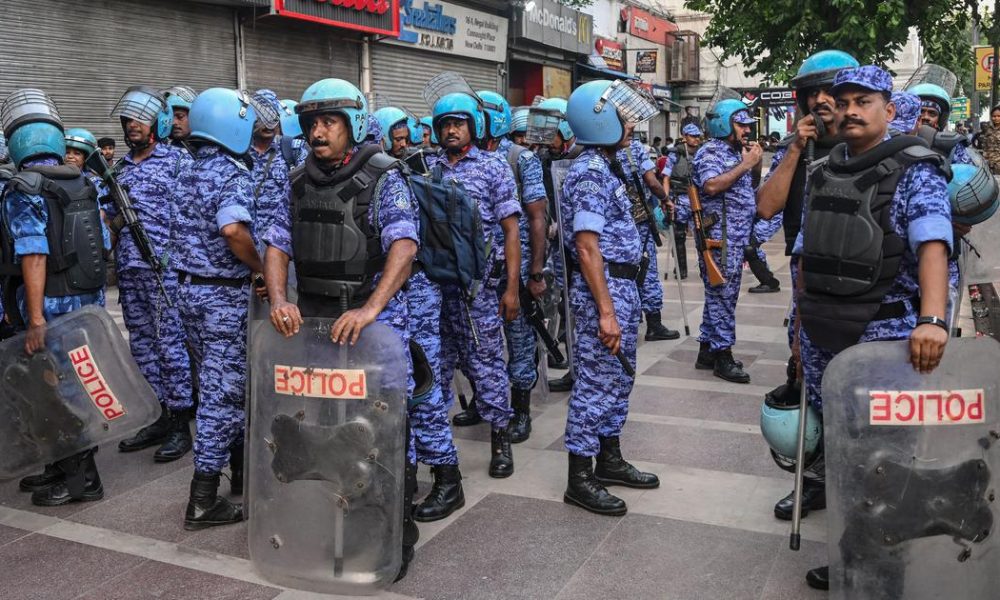
The Supreme Court of India has agreed to consider a writ petition from AA Rahim, a member of the Communist Party of India (Marxist), which challenges the use of facial recognition technology and other biometric surveillance tools by police during protests. This significant development was reported on Thursday, highlighting growing concerns over privacy and civil liberties in the context of rising public dissent.
A bench led by Chief Justice Surya Kant has combined Rahim’s petition with other related pleas concerning youth-led protests in Delhi. These protests, which emerged as a response to perceived mismanagement in competitive examinations—most notably the National Eligibility cum Entrance Test (NEET) for medical college admissions—have drawn attention to the broader issues of accountability and governance.
The unrest peaked on July 20 when a police action against protesting students turned violent. Activist Sonam Wangchuk, who was on a hunger strike for three weeks, was forcibly taken to a hospital, prompting a larger outcry. Protesters faced a heavy-handed response from law enforcement, including the use of lathis, tear gas, and even pellet guns, resulting in numerous injuries. This incident not only intensified the protests but also sparked similar demonstrations across various parts of the country.
In her arguments, advocate Menaka Guruswamy, representing Rahim, emphasized the implications of the Delhi Police’s digital surveillance practices on the right to protest. She pointed out that the police had engaged the services of private companies for these surveillance measures, raising further questions about accountability and the transparency of such operations. The use of facial recognition technology in public spaces has become a contentious issue globally, with many advocating for stricter regulations to protect individual privacy rights.
This case reflects a growing trend in India where citizens and political groups are increasingly scrutinizing state surveillance methods, particularly in the context of protests. As the Supreme Court prepares to hear the petition, it remains to be seen how it will address the balance between maintaining public order and upholding fundamental rights. The outcome could set important precedents regarding the use of technology in public policing and the rights of citizens to express dissent.
Source: scroll.in



No Comment! Be the first one.