

Tamil Nadu Assembly Opposes Delimitation Plan Amid Political Tensions
The Tamil Nadu Assembly has officially voiced its opposition to the central government’s proposed delimitation exercise, which aims to redefine the boundaries of electoral constituencies across...

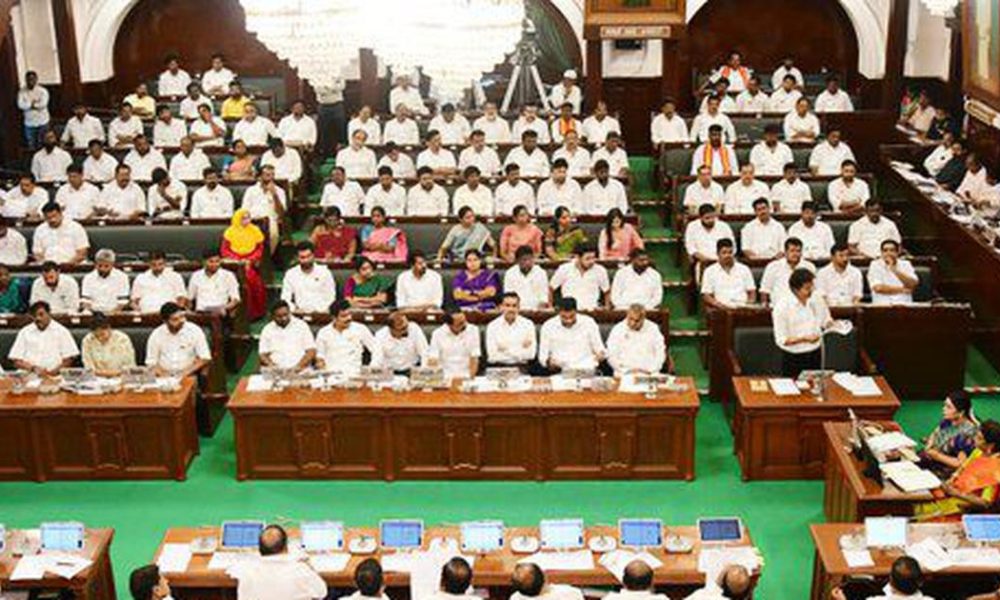
The Tamil Nadu Assembly has officially voiced its opposition to the central government’s proposed delimitation exercise, which aims to redefine the boundaries of electoral constituencies across India. The resolution was passed on Wednesday and reflects a significant stance taken by the ruling party in collaboration with the Dravida Munnetra Kazhagam (DMK) and other opposition groups.
Delimitation, the process of adjusting the boundaries of parliamentary and assembly constituencies, has become a contentious issue, especially following the introduction of the 2026 Constitution 131st Amendment Bill in the Lok Sabha by the Bharatiya Janata Party (BJP)-led Union government. This bill seeks to amend the 2023 Women’s Reservation Act and redistrict constituencies. However, the ruling National Democratic Alliance (NDA) currently lacks the necessary two-thirds majority to pass the legislation without the support of opposition parties.
During a recent three-day special Parliament session, the bill faced significant hurdles, receiving 298 votes in favor while 230 were against it. The need for a broad consensus became even more apparent as the NDA’s standing in Parliament was scrutinized, raising questions about the implications of the delimitation process for various states, particularly Tamil Nadu, where demographic and political dynamics are uniquely complex.
In the context of Tamil Nadu, the assembly’s resolution calls on the Union government to maintain the current number of Lok Sabha seats at 543, emphasizing the importance of representation for the state. The political landscape in Tamil Nadu has historically been shaped by regional parties that prioritize state-specific issues, making the government’s attempts to implement delimitation particularly sensitive.
Union Minister Ramdas Athawale previously indicated that the delimitation bill would be presented in the Lok Sabha before the onset of the Monsoon Session, which began on July 20. However, ongoing protests regarding police actions against youth in Delhi have further complicated the legislative agenda, resulting in the bill not being scheduled for discussion.
As political tensions rise, the resolution passed by the Tamil Nadu Assembly serves not only as a local directive but also as a symbolic act of resistance against what many perceive as a central overreach into state matters. The outcome of this ongoing debate will likely have lasting consequences for electoral politics in the region and could redefine the relationship between state governments and the Union administration.
Source: scroll.in






No Comment! Be the first one.