

NALSAR Convocation Controversy: Chief Justice Surya Kant Invited Amid Student Protests
The National Academy of Legal Studies and Research (NALSAR) in Hyderabad has extended an invitation to Chief Justice Surya Kant to serve as the chief guest at its upcoming convocation ceremony, a...

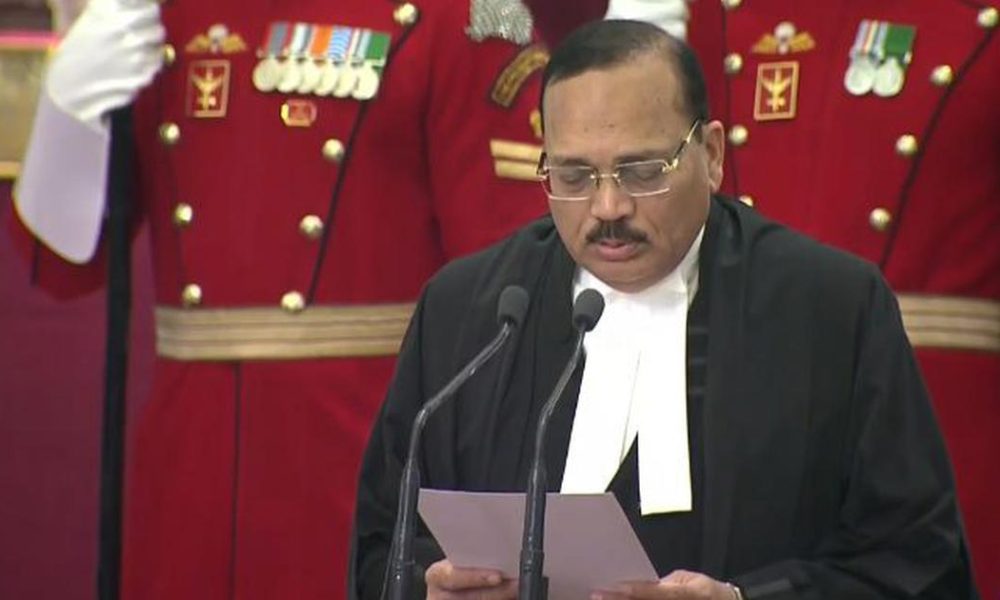
The National Academy of Legal Studies and Research (NALSAR) in Hyderabad has extended an invitation to Chief Justice Surya Kant to serve as the chief guest at its upcoming convocation ceremony, a decision that has ignited significant dissent among the student body. The university’s vice-chancellor confirmed the invitation to The Indian Express, despite students expressing their strong disapproval.
The students’ objections stem from Chief Justice Kant’s handling of a petition that raised concerns over alleged police brutality during a protest in Delhi on July 20. Following the incident, a petition was filed requesting the court to address the matter urgently. However, on July 22, Justice Kant, leading a bench, dismissed the need for immediate hearings, reportedly stating, “Don’t waste our time and don’t waste your time.” When a lawyer representing the petitioners offered to present video evidence of the alleged police excesses, the Chief Justice remarked that the bench was “not interested” in viewing it.
This exchange has sparked outrage among the NALSAR students, who believe that it is inappropriate to receive their degrees from a figure whose recent actions seem to undermine serious allegations of police misconduct. In their communication with university officials, students articulated their concerns, emphasizing that such a reception would contradict the values of justice and accountability that the institution upholds.
The vice-chancellor of NALSAR has indicated that the university is currently awaiting a response from Chief Justice Kant regarding the invitation. While the precise date for the convocation remains undecided, it typically occurs in the months of August or September. Historically, the Chief Justice has been a prominent figure at such academic events, presiding over ceremonies and delivering keynote addresses that often focus on the importance of legal education and the rule of law.
As the situation unfolds, it remains to be seen whether the university will reconsider its decision or if the planned convocation will proceed with the Chief Justice as the guest of honor. The juxtaposition of academic tradition against the backdrop of student activism poses significant implications for the relationship between judiciary figures and educational institutions in India.
Source: scroll.in




No Comment! Be the first one.