

Delhi’s Kanwar Yatra: Celebratory Noise or Public Health Concern?
This week, the Kanwar Yatra echoed through the streets of Delhi, creating disturbances that many residents found hard to ignore. Reports emerged detailing how the noise levels from the procession,...

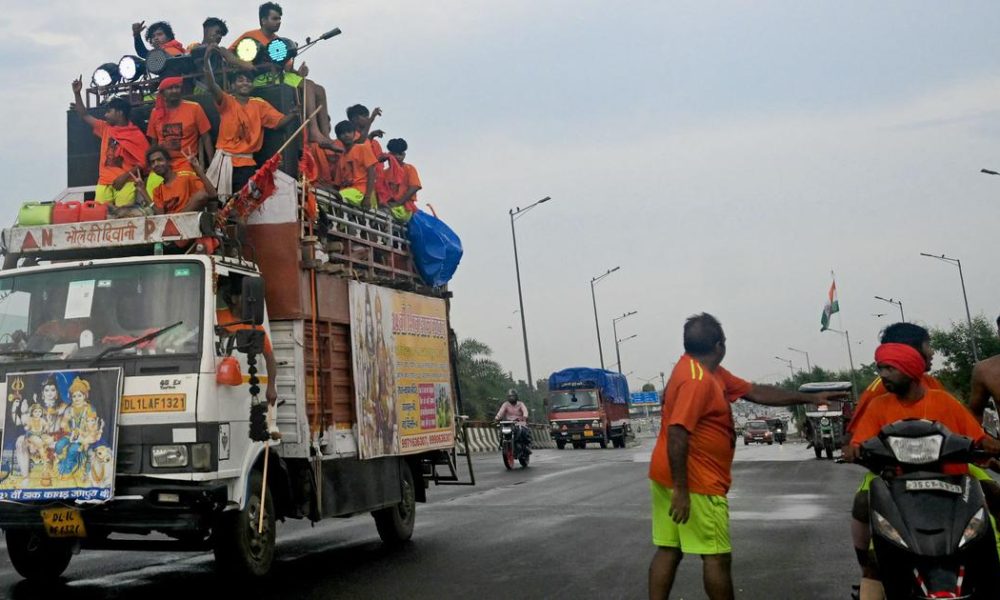
This week, the Kanwar Yatra echoed through the streets of Delhi, creating disturbances that many residents found hard to ignore. Reports emerged detailing how the noise levels from the procession, particularly near Kalindi Kunj and Kalkaji, reached alarming heights, with sound meters recording above 100 decibels. Local inhabitants struggled with sleepless nights and rattling windows, as large trucks equipped with loudspeakers passed through residential areas.
Despite the overwhelming noise, which hovered between 80 and 88 decibels during quieter moments between convoys, there was little action taken by authorities. Police were present to manage traffic and guide the pilgrims, but they faced challenges in curbing the sound levels. While some drivers of the sound trucks were advised to reduce their volume, no formal complaints or FIRs were lodged against the violations of existing noise regulations.
In Uttar Pradesh, the reception of Kanwar Yatra pilgrims included grand gestures, such as flower petals showered from helicopters, further emphasizing the celebratory nature of the event. This raises an essential question: why do some religious events’ noise levels become a matter of public health concern while others are celebrated or accommodated by authorities? Indian noise pollution regulations do not differentiate between religious and non-religious activities but are clear in their stipulations.
The legal framework mandates that loudspeakers require prior written consent, with strict residential noise limits set at 55 decibels during the day and 45 decibels at night. Moreover, outdoor amplification is prohibited between 10 PM and 6 AM. However, certain exemptions for festivals do not exempt participants from adhering to these limits. The inconsistency in enforcement raises concerns about fairness and public health.
Excessive noise pollution poses a significant threat to public health, as highlighted by organizations like the World Health Organization (WHO). Prolonged exposure to high decibel levels can lead to serious health issues, including sleep disturbances, hearing loss, cognitive impairments, and increased risks of hypertension and ischemic heart diseases. The WHO and other UN agencies recommend strict limits on nighttime noise to safeguard communities.
As the Kanwar Yatra continues to be a significant religious event, the need for a balanced approach that respects both the cultural importance of such gatherings and the need to protect public health cannot be overstated. Policymakers and local authorities must find a way to harmonize these interests, ensuring that the vibrancy of religious celebrations does not come at the cost of residents’ well-being.
Source: scroll.in





No Comment! Be the first one.