

NHPC Aware of Methane Risks Prior to Fatal Sikkim Tunnel Explosion
On July 20, a devastating explosion shook a construction site in the Namchi district of Sikkim, claiming the lives of 25 workers who were trapped in a tunnel of the 500-MW Teesta VI hydropower...

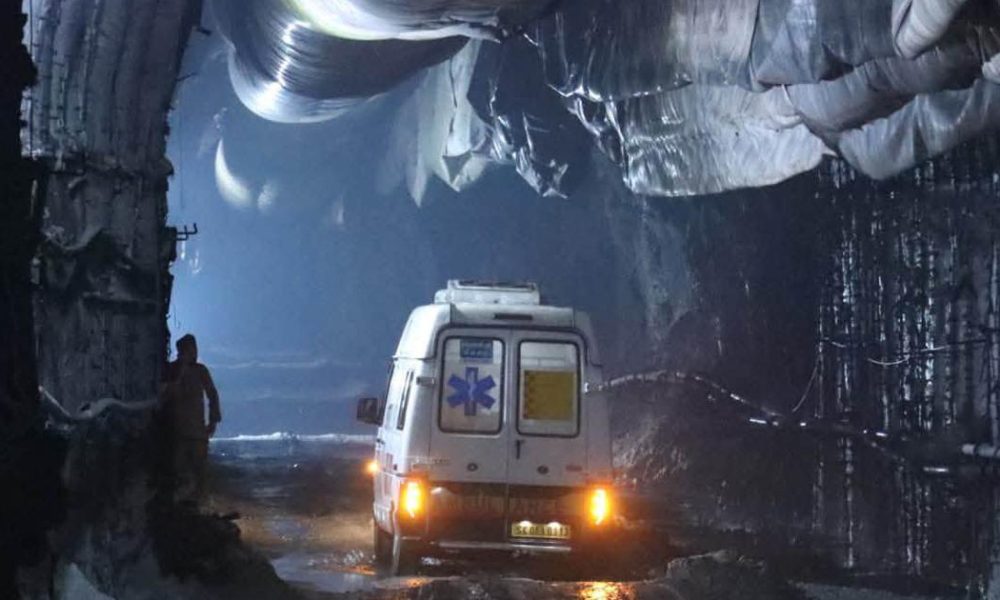
On July 20, a devastating explosion shook a construction site in the Namchi district of Sikkim, claiming the lives of 25 workers who were trapped in a tunnel of the 500-MW Teesta VI hydropower project being developed by the National Hydroelectric Power Corporation (NHPC). Eyewitness accounts described the blast as powerful enough to hurl workers several meters, with a subsequent alarming odor of gas filling the air.
The incident occurred in the head-race tunnel, a crucial infrastructure component that facilitates the flow of water from the river to the turbines, thereby generating electricity. According to NHPC’s official statement, the explosion was triggered by a “sudden burst of suspected methane gas” that had accumulated in the rocks, resulting in a catastrophic detonation that released dense fumes and toxic gases.
Following the explosion, immediate rescue efforts commenced, but the operations concluded tragically after three days without any survivors being found. NHPC has since announced that a thorough investigation is underway to determine the root causes of this unfortunate incident. However, documents obtained by Scroll indicate that the company was already aware of methane’s potential presence at the site as early as January.
This revelation raises significant concerns about workplace safety and risk management at NHPC, especially given that methane is a known hazard in tunneling operations. Industry experts emphasize that proper precautions should have been taken to mitigate such risks, particularly in a project as large and impactful as the Teesta VI hydroelectric project.
The Teesta VI project is crucial for enhancing India’s hydroelectric capacity, yet this tragic event underscores the necessity for stringent safety protocols and proactive measures in construction projects, particularly those that pose inherent dangers. The loss of life has sent ripples of grief through the local community and calls into question the regulatory frameworks that govern such large-scale infrastructure projects across the nation.
Source: scroll.in






No Comment! Be the first one.