

India’s Global Trade Strategy: Navigating Opportunities and Political Disruptions
As global trade dynamics evolve, India is steadfastly embracing globalization as a core component of its economic strategy. After a prolonged period of nearly a decade without formal trade...

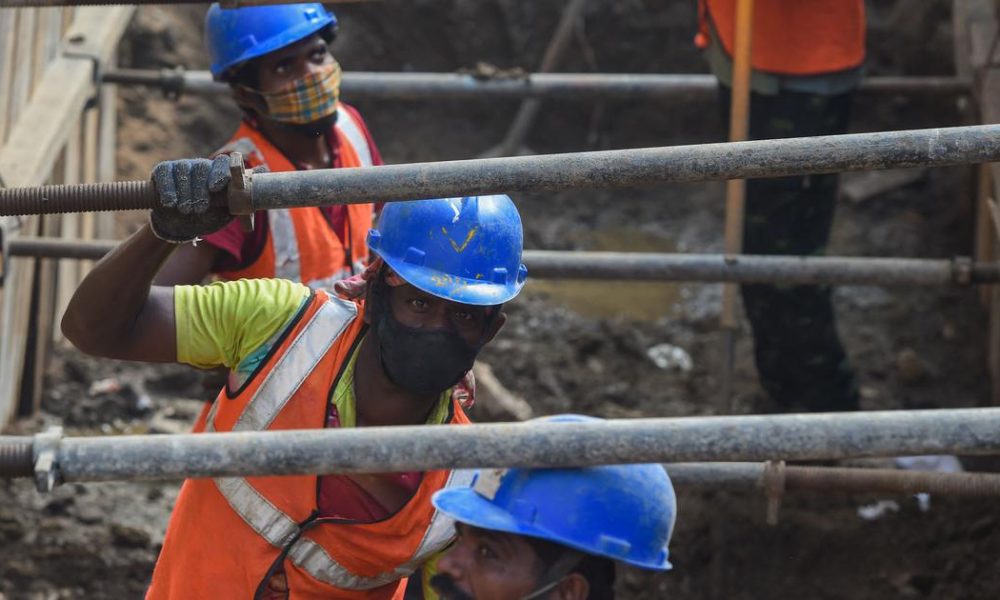
As global trade dynamics evolve, India is steadfastly embracing globalization as a core component of its economic strategy. After a prolonged period of nearly a decade without formal trade agreements, the nation has recently embarked on negotiating significant pacts with the European Union, the United Kingdom, and New Zealand, which are set to be finalized between 2025 and 2026. Furthermore, ongoing discussions with the United States and other trade partners underscore India’s dedication to engaging more deeply with the global economy.
These trade agreements are not merely about economic exchange; they carry substantial geopolitical weight, particularly regarding India’s stature as an emerging power. The relationships being forged with major players like the US, China, and Russia are reshaping India’s global presence. However, the implications of these new trade deals extend beyond international relations and have the potential to significantly impact India’s domestic political landscape.
Since India’s economic liberalization began in 1991, the country has transformed into a significant player in the global marketplace. From its rise as a leading exporter of textiles to its current prominence in information technology services, globalization has dramatically altered economic opportunities and social dynamics within the country. Yet, this transformation has not been uniform; it has predominantly favored regions that are closely linked to international markets, while many areas remain relatively untouched by global economic trends.
Looking ahead, the new trade agreements are poised to enhance India’s access to lucrative export markets, which could foster a more interconnected relationship with the global economy. However, it is crucial to recognize that while globalization creates new opportunities, the benefits are often distributed unevenly, concentrating wealth and resources in certain locales. This phenomenon may lead to increased social tensions and political ramifications as disparities grow between regions that thrive in the global economy and those that lag behind.
My research into India’s three-decade journey with globalization indicates that the repercussions of economic integration are multifaceted, influencing not only commerce but also the fabric of domestic politics. As India continues to pursue its global trade agenda, the challenge will be to ensure that the economic gains are more inclusive, addressing the needs of those regions and communities that have yet to fully participate in this global economic narrative.
Source: scroll.in



No Comment! Be the first one.