

Residents Protest as New Waste-to-Energy Plant Sparks Environmental Concerns in Delhi
After decades of service in the Municipal Corporation of Delhi, Rajpal Saini is now on a mission to protect his village from what he perceives as an environmental catastrophe. The retirement that he...

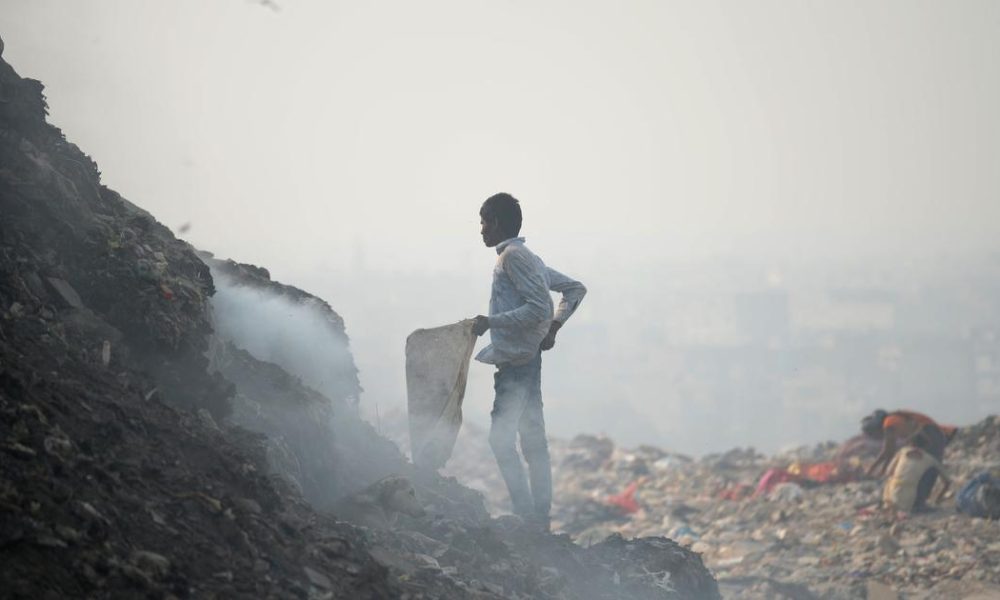
After decades of service in the Municipal Corporation of Delhi, Rajpal Saini is now on a mission to protect his village from what he perceives as an environmental catastrophe. The retirement that he envisioned as peaceful has turned into a fight against the establishment following the commissioning of a new waste incineration plant near his community, Sannoth, located on the northwestern outskirts of Delhi.
Delhi has been grappling with its waste management crisis for years, and the latest addition—a 30-megawatt waste-to-energy (WTE) plant with a capacity to process 3,000 tonnes of waste daily—has sparked serious concerns among local residents. Saini, along with his neighbors, is now advocating for what they term the “right to breathe.” He recounts how living in the vicinity of multiple waste processing facilities has severely impacted their quality of life. “We have a dumping ground, a hazardous waste site, a composting plant, and now this incinerator,” he explained. The odors emitted from these facilities have forced residents to seal their doors and windows, attempting to block out the noxious smells.
The new plant’s construction commenced in May, despite ongoing legal challenges and protests from the community, highlighting a stark divide between governmental initiatives and local sentiments. Many residents are worried not only about the foul air but also about the potential contamination of nearby Munak canal, a vital water source for the capital. With the city’s population exceeding 20 million, the need for efficient waste management is pressing; however, the methods being employed have come under scrutiny. Critics argue that incineration contributes to air pollution and poses health risks to nearby populations.
Saini’s story reflects a larger trend in India, where waste-to-energy initiatives are being pursued as solutions to the mounting garbage crisis. Yet, the environmental implications of such projects are often overlooked. Experts in environmental science caution that while these plants may offer a temporary fix to waste disposal, they may inadvertently contribute to more significant long-term issues, including air quality deterioration and health problems for residents. The call for a more sustainable approach to waste management is growing louder as communities like Sannoth continue to bear the brunt of these developments.
As the residents of Sannoth prepare to challenge the plant’s operations legally and socially, they highlight the necessity for a balanced approach to urban waste management. This situation serves as a reminder that while the need for a cleaner city is critical, public health and environmental safety must take precedence in decision-making processes. The ongoing battle in Sannoth may well set a precedent for other communities facing similar threats across India.
Source: scroll.in







No Comment! Be the first one.