

True Nationalists or Deshdrohis? Ramachandra Guha’s Take on Dissent and Patriotism
In a thought-provoking analysis, renowned historian Ramachandra Guha contemplates the nature of patriotism in India, contrasting the narratives surrounding dissenters with those in power. Drawing on...

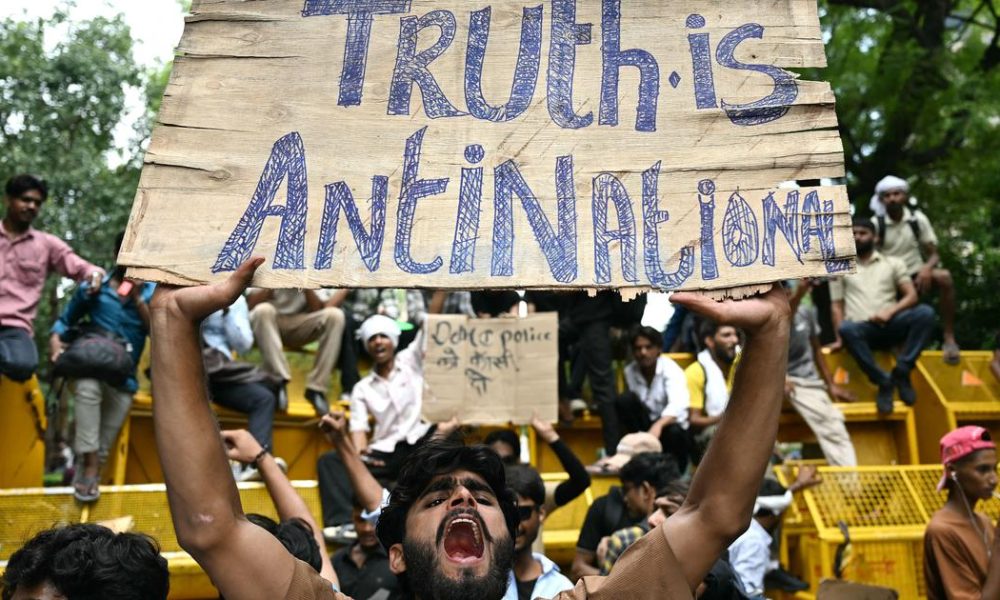
In a thought-provoking analysis, renowned historian Ramachandra Guha contemplates the nature of patriotism in India, contrasting the narratives surrounding dissenters with those in power. Drawing on historical examples, he emphasizes the importance of standing up against authority for the sake of national honor and freedom.
Guha references the views of Albert Camus, who asserted that true citizenship is not about submission to authority but rather about steadfastly defending one’s country’s values and liberties. This perspective finds resonance in the works of British historian AJP Taylor, known for his critique of imperialism and its impact on society. Taylor considered his book, The Trouble Makers, his finest work, as it highlighted British dissenters who bravely opposed the expansionist policies of their own government.
Among the figures Taylor chronicled was John Bright, a prominent Liberal politician in the 19th century, celebrated for his oratory skills and radical views. Bright vocally challenged the British government’s military campaigns, notably the Crimean War, which he believed betrayed the principles of democracy and justice. His critiques often drew ire from conservatives who labeled him a traitor to the nation. Yet, Bright’s unwavering commitment to his beliefs positions him as a quintessential example of a ‘troublemaker’ who fought for a more honorable and just society.
In today’s context, Guha’s reflections resonate deeply as India navigates complex socio-political landscapes. The current government often labels dissenters as ‘deshdrohis’ or traitors, stifling voices that challenge its policies and actions. However, Guha posits that such dissent is not only a tool for accountability but also an essential part of national identity. He argues that those who protest against injustice and advocate for the marginalized embody the spirit of true nationalism, much like Bright did in his time.
Thus, the discourse around nationalism in India must evolve to embrace a broader definition—one that includes dissent as a fundamental component of patriotic duty. Guha’s insights urge us to reflect on how we define loyalty and the role that challenging authority plays in the ongoing quest for a fair and equitable society. As India continues to grapple with its identity in a rapidly changing world, the voices of dissenters must not only be heard but celebrated for their contributions to the nation’s democratic fabric.
Source: scroll.in





No Comment! Be the first one.