

India Defends FCRA Amendments Amid U.S. Lawmaker’s Criticism of Religious Freedom Concerns
The Indian government has firmly stated that the proposed changes to the Foreign Contribution Regulation Act (FCRA) are strictly an internal matter, following remarks from a U.S. Congressman who...

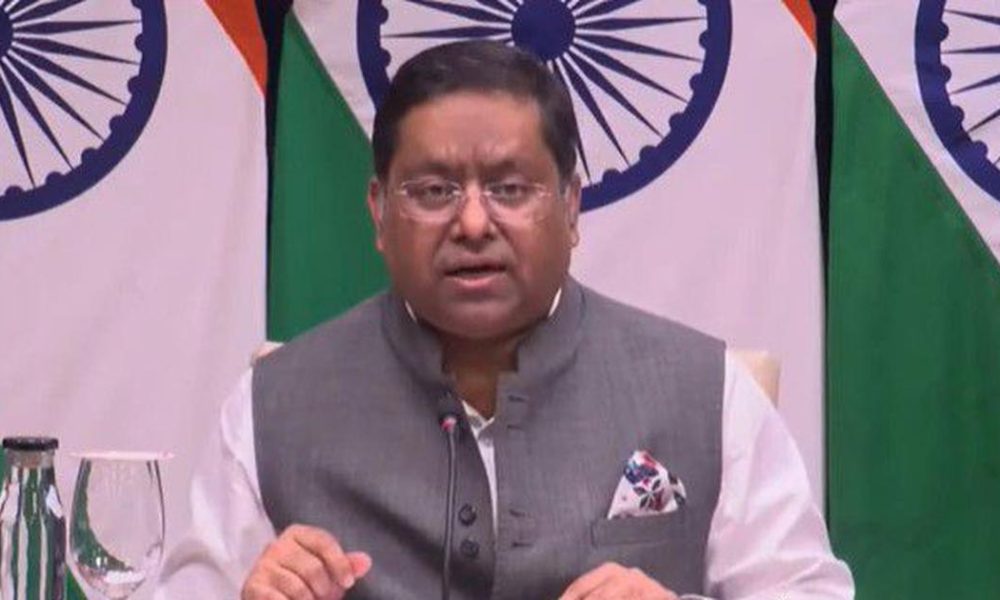
The Indian government has firmly stated that the proposed changes to the Foreign Contribution Regulation Act (FCRA) are strictly an internal matter, following remarks from a U.S. Congressman who characterized the amendments as an attack on religious freedoms, particularly for Christians. This statement comes from the Ministry of External Affairs in response to concerns raised by Republican Congressman Riley Moore from West Virginia.
The FCRA is a crucial piece of legislation that mandates non-profit organizations in India to register in order to receive foreign donations. One of the significant aspects of the proposed amendments would grant the central government the authority to manage foreign funds and assets of non-governmental organizations if their FCRA registration is either revoked or lapses. This provision has raised alarms among various social and religious groups who fear it could lead to government overreach.
Congressman Moore, using social media as his platform, expressed his apprehensions about the implications of these amendments. He emphasized the historical presence of Christians in India, tracing back to the arrival of St. Thomas the Apostle on the Malabar Coast shortly after the resurrection of Jesus Christ. He suggested that the Indian Parliament’s move to amend regulations might allow for undue government interference in churches and religious charities, characterizing it as a direct assault on the Christian community in India.
Moreover, Moore warned that such legislative changes could potentially strain the relationship between the United States and India, both of which have historically enjoyed a strong diplomatic partnership. The proposed amendments, which were introduced during the Budget Session in March, have yet to pass either House of Parliament, highlighting the ongoing debate surrounding the legislation.
In light of these developments, Randhir Jaiswal, spokesperson for the Ministry of External Affairs, reiterated that legislative issues affecting India are within the purview of the Indian government and should not be interpreted through the lens of foreign influence. As discussions continue within parliamentary chambers, the Indian government appears resolute in its stance that matters of national legislation should remain free from external pressures or criticisms.
Source: scroll.in






No Comment! Be the first one.