

Navigating the Perils of Health Misinformation in the Digital Age
In an age where information travels faster than ever, the rise of AI-generated health advice has become a pressing concern. Recent reports indicate that virtual “doctors” are...

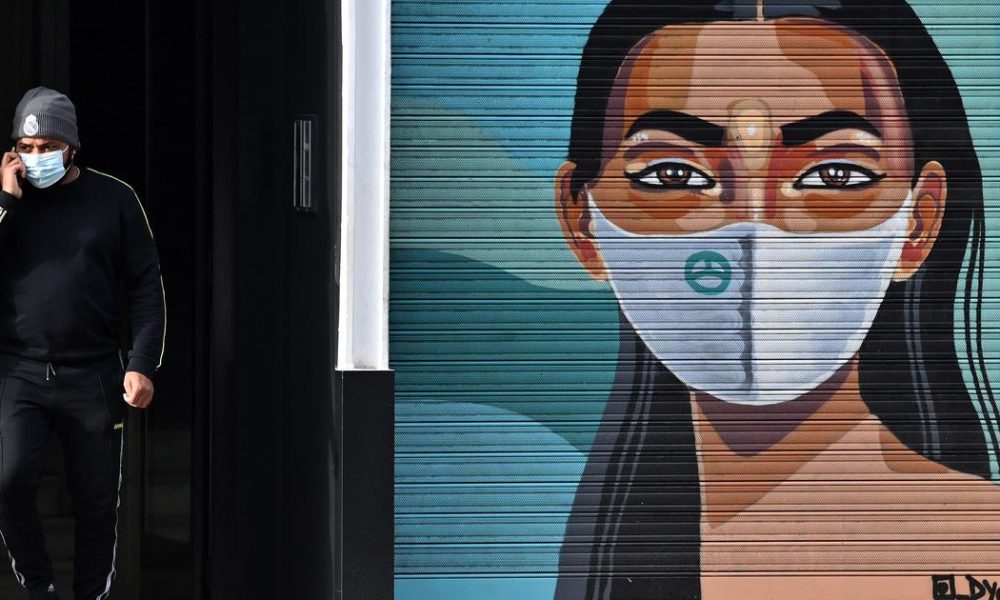
In an age where information travels faster than ever, the rise of AI-generated health advice has become a pressing concern. Recent reports indicate that virtual “doctors” are disseminating questionable wellness tips to a vast audience on social media platforms. From dubious diet fads like the so-called “pink jelly” weight-loss remedy, which even ensnared a celebrity, it’s evident that misleading health trends can gain traction in no time.
Health misinformation can often seem credible due to the persuasive power of influencers and AI technologies. These digital personas frequently present themselves as knowledgeable and trustworthy, creating an illusion of expertise that may not correspond with reality. However, just because a source appears familiar or authoritative does not guarantee the accuracy of their medical claims. It’s essential for individuals to approach such information with a critical mindset, especially when health decisions are at stake.
In India, where family ties and community support are paramount, many often seek health advice from friends and loved ones. While this instinct is natural—given that close ones may have personal insights into an individual’s circumstances—this does not eliminate the risk of receiving inaccurate information. Well-meaning advice, however heartfelt, can still be erroneous, leading to potential health ramifications.
Studies indicate that trust plays a significant role in the acceptance of health claims. Typically, greater trust in healthcare professionals and esteemed scientific institutions correlates with a lower likelihood of falling prey to false health information. However, misinformation can still infiltrate trusted social circles when individuals share it in a genuine attempt to inform or warn others, often unaware of its inaccuracies.
Social media influencers have managed to replicate some of the emotional cues of friendship, thereby engaging their audiences directly. This dynamic can create a false sense of connection, making their advice seem more credible. As a result, it’s imperative for individuals to enhance their media literacy, discerning between genuine health information and mere conjecture. Recognizing the signs of misinformation, such as unverifiable claims or overly simplistic solutions to complex health issues, is crucial in this digital landscape.
Source: scroll.in





No Comment! Be the first one.