

Kashmir Pellet Gun Victims Await Justice and Compensation Even After a Decade
More than a decade after the tragic incident that left her blind, 14-year-old Insha Mushtaq received a compensation package of Rs 41 lakh from the Jammu and Kashmir government on July 13. Mushtaq was...

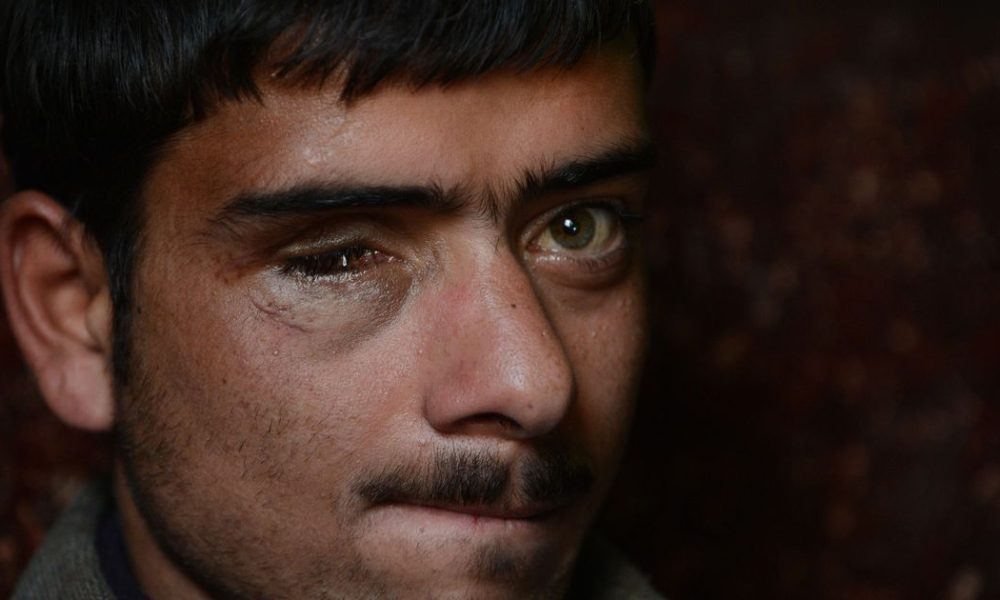
More than a decade after the tragic incident that left her blind, 14-year-old Insha Mushtaq received a compensation package of Rs 41 lakh from the Jammu and Kashmir government on July 13. Mushtaq was one of the thousands of victims affected by pellet gun violence during the widespread protests in the Valley in 2016, which erupted following the killing of popular militant commander Burhan Wani. Her case, while highlighted in the media, underscores the ongoing struggle faced by numerous other victims who continue to wait for recognition and restitution.
In the wake of her compensation announcement, the focus shifted to the broader implications of pellet gun usage in India. Recent protests in Delhi, where students were injured by pellet guns during demonstrations at Jantar Mantar, renewed calls for accountability, particularly directed at Union Home Minister Amit Shah. Among those injured, at least one person has lost vision in one eye, prompting two individuals to approach the Supreme Court with demands for a ban on the use of these lethal weapons.
Despite the government’s announcement, the reality remains grim for many victims in Kashmir who have yet to receive any form of compensation or employment opportunities. Mohammad Ashraf Wani, a 36-year-old man who was blinded by pellet guns in 2016, poignantly expressed the despair felt by countless others, stating, “We are like living corpses about whom nobody cares.” His sentiments reflect the prevailing apathy towards the victims of a conflict that has continued to escalate over the years.
The plight of pellet gun victims, particularly in Kashmir, has largely been overlooked, especially since 2019 when the Narendra Modi government revoked the special status of Jammu and Kashmir. This political shift has further marginalized an already vulnerable population, silencing their cries for justice and rehabilitation. Efforts by victims to organize and advocate for their rights have floundered, leaving many without the support they desperately need.
As discussions about the use of pellet guns continue to gain traction in the national discourse, victims like Mushtaq and Wani are caught in a cycle of waiting and hopelessness. The need for comprehensive policies addressing their grievances is more urgent than ever, as is the call for a humane approach to conflict resolution in the region. Looking ahead, it remains to be seen whether the government will heed these calls and take meaningful steps towards redress for those whose lives have been irrevocably altered by violence.
Source: scroll.in



No Comment! Be the first one.