

Gen Z’s Resounding Call for Accountability Shakes Indian Government
In an unprecedented turn of events, the recently formed student movement, humorously dubbed the Cockroach Janata Party, has successfully compelled one of the most steadfast governments in the world...

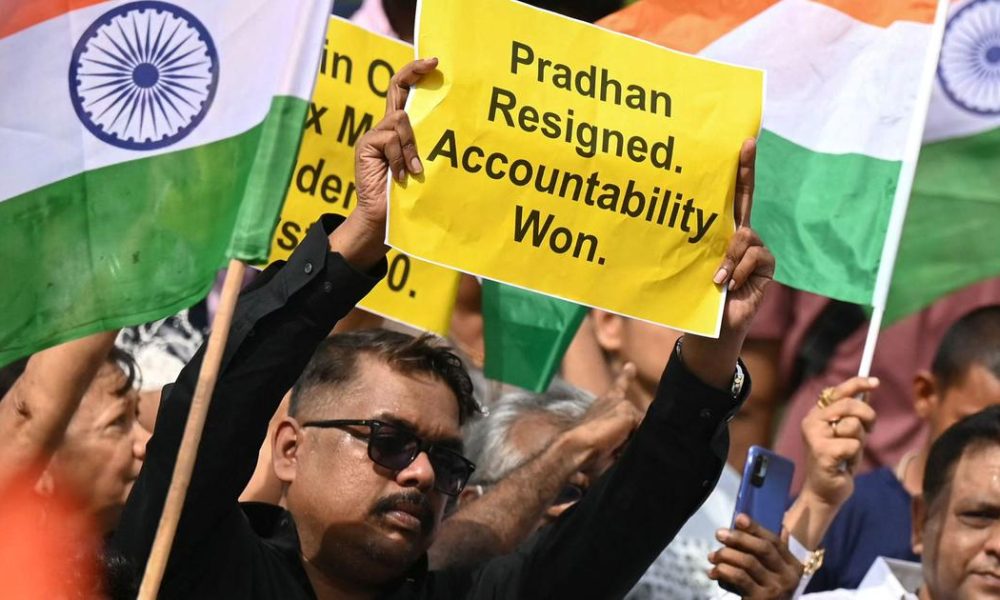
In an unprecedented turn of events, the recently formed student movement, humorously dubbed the Cockroach Janata Party, has successfully compelled one of the most steadfast governments in the world to yield to their demands. This surprising victory culminated in the resignation of Dharmendra Pradhan as the Union Minister of Education on July 25, leaving young protesters at Jantar Mantar overwhelmed with emotion, where many wept and embraced one another. Abhijeet Dipke, the architect behind this movement, was seen falling to his knees in a moment of triumph.
Since the Bharatiya Janata Party (BJP) came to power in 2014, it has rarely bowed to public outcry, particularly from the youth demographic. The notable exception remains the repeal of contentious farm laws in 2021, a rare concession that highlights the government’s general resistance to pressure from younger generations. However, the recent events underscore a significant shift in the political landscape, as a leaderless, meme-driven mobilization achieved tangible outcomes, including not only the resignation of a cabinet member but also promised compensation for families affected by the tragic suicide of students following the NEET exam fiasco.
While these concessions are commendable, the true challenge lies ahead. The period following a victory is often volatile and vulnerable, as the momentum built by protestors can dissipate rapidly. Key terms of the settlement are typically dictated by the government, which has the upper hand after conceding ground. In this case, despite the emotional victories, the fundamental issues that sparked the protests remain unresolved. The examination structure continues to be governed by the very institutions that have previously failed students, leaving the core grievances intact.
The movement’s achievements serve as a testament to the power of organized youth activism in India, particularly in a climate where young voices often go unheard. It raises an important question: how can Gen Z maintain pressure for accountability and reform in the face of such deep-seated challenges? The need for ongoing dialogue and scrutiny remains crucial, as does the necessity for future actions that will address the systemic flaws within the educational framework.
As the movement evolves, it will be essential for these young leaders to sustain their efforts, remain vigilant, and continue to demand transparency and accountability from those in positions of power. The aspirations of a generation hang in the balance, and the future of student rights in India may depend on their ability to ask the hard questions and hold their government accountable for its actions.
Source: scroll.in






No Comment! Be the first one.