

The Rise of Lab-Grown Diamonds: A Shift in the Jewelry Industry Landscape
The adage “a diamond is forever” may soon lose its relevance in a rapidly evolving market. Recent developments in the diamond industry indicate that natural diamonds, traditionally viewed...

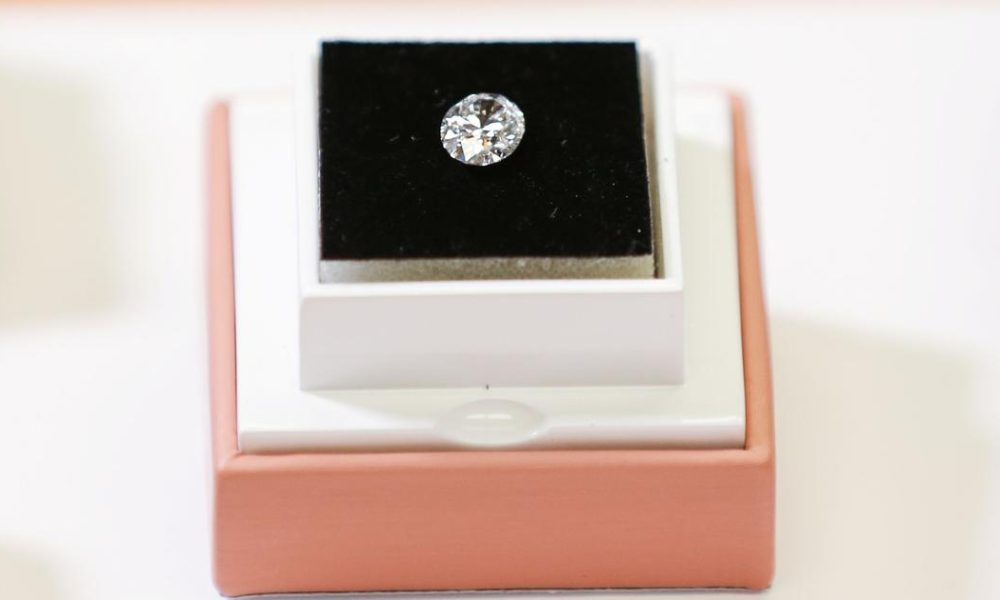
The adage “a diamond is forever” may soon lose its relevance in a rapidly evolving market. Recent developments in the diamond industry indicate that natural diamonds, traditionally viewed as a symbol of luxury, are facing significant challenges due to the rising popularity of lab-grown alternatives.
In a surprising turn of events, Rio Tinto announced the cessation of operations at its Diavik diamond mine in Canada after a successful run of 23 years. Moreover, De Beers, a leader in the diamond mining sector, has declared a two-year pause in production at its flagship Venetia mine in South Africa. The company, which is predominantly owned by Anglo American, is reportedly negotiating to sell its 85% ownership stake for approximately $1 billion—a stark contrast to the $18 billion valuation it held during its privatization in 2001.
Despite the apparent abundance of natural diamonds in the market, the current economic landscape is compelling these mining giants to rethink their operations. The soaring costs associated with mining and the fluctuating prices of natural diamonds have made sustained production increasingly untenable. In parallel, consumer attitudes are shifting, as more individuals reconsider what constitutes the true value of a diamond and the implications of responsible consumption.
This transformation in consumer sentiment can be likened to the historical trajectory of aluminium. In the mid-1800s, aluminium was regarded as a precious material, even surpassing gold in value due to its rarity and the complexities involved in its extraction. However, advancements in industrial processes eventually rendered aluminium more accessible and affordable, shifting its status dramatically. Similarly, lab-grown diamonds have made their mark in the market, offering consumers a more ethical and cost-effective option without compromising on quality.
As more consumers lean towards sustainable choices, the appeal of lab-grown diamonds continues to rise. These diamonds, created in controlled laboratory settings, eliminate many ethical concerns associated with traditional mining practices, such as environmental degradation and exploitation of workers. The affordability and ethical implications of lab-grown diamonds are resonating with a generation that values sustainability, further challenging the long-held perceptions of natural diamonds.
In conclusion, with major players like De Beers and Rio Tinto recalibrating their strategies in response to market trends, the diamond industry is on the brink of a significant transformation. As the distinction between natural and lab-grown diamonds blurs, it remains to be seen how this will reshape consumer preferences and the future of luxury jewelry in India and across the globe.
Source: scroll.in







No Comment! Be the first one.