

The Enduring Relevance of Mohammad Iqbal’s Philosophical Insights in Contemporary Politics
In exploring the poetic and philosophical legacy of Mohammad Iqbal, Raza Mir’s book, Iqbal: Poet of the East, serves as an invaluable guide for newcomers eager to delve into Iqbal’s...

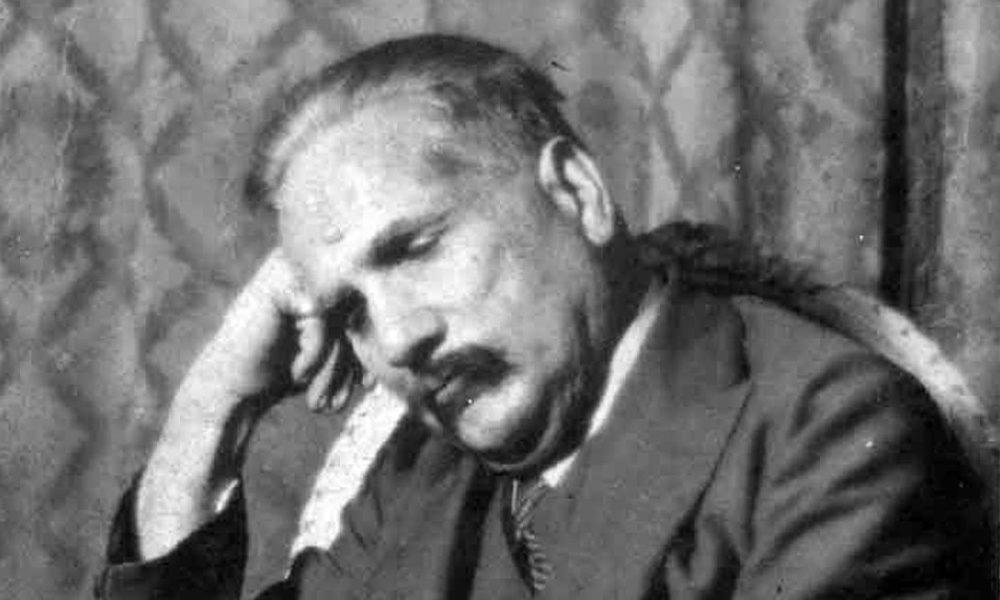
In exploring the poetic and philosophical legacy of Mohammad Iqbal, Raza Mir’s book, Iqbal: Poet of the East, serves as an invaluable guide for newcomers eager to delve into Iqbal’s thoughts on concepts such as Khudhi (selfhood), Shaheen (the eagle), and socialism. This introduction not only sheds light on Iqbal’s philosophical insights but also unveils the connections he made with socialist thinkers like Karl Marx and Vladimir Lenin. However, Iqbal’s work remains mired in selective interpretations that often overshadow the broader scope of his ideas, particularly his reverence for Hindu deities and his civilizational themes.
Despite being a celebrated figure, Iqbal is frequently pigeonholed as merely a poet of the iconic verse Saare Jahaan Se Acha or as an ideologue for Pakistan. This limited view neglects his significant contributions to pre-independence Indian politics, where he actively engaged in discussions about partition and voiced his patriotic sentiments through various Urdu compositions, including the notable Tarana-e-Hindi. Iqbal’s multifaceted identity as a poet, philosopher, and political commentator is often lost amidst the fragmented narratives constructed by different ideological groups.
Born on November 9, 1877, in Sialkot, Iqbal remains one of the most frequently quoted yet least comprehended intellectuals of the Indian subcontinent. This phenomenon has led to a skewed representation of his legacy, where nationalists selectively evoke him, Islamists claim him solely for their narratives, and secular critics often overlook his contributions entirely. Such divergent appropriations risk reducing a complex thinker to a mere ideological symbol, stripping away the richness of his philosophical discourse.
As contemporary India grapples with political challenges and ideological divides, revisiting Iqbal’s philosophical conversations could provide crucial insights. His thoughts on selfhood and the collective consciousness of society resonate with current debates on identity, nationalism, and community. Iqbal’s belief in the potential of the individual to transcend limitations and contribute to the greater good remains particularly relevant in today’s socio-political landscape.
In a time when the discourse often seems polarized, reexamining Iqbal’s work may foster a deeper understanding of the interconnectedness of various ideologies. It could encourage a more nuanced appreciation of the diverse cultural and philosophical heritage that has shaped India’s identity. As we reflect on the ongoing relevance of Iqbal’s philosophy, it becomes clear that his intellectual legacy offers a pathway to bridge divides and foster a more inclusive dialogue in modern political life.
Source: scroll.in





No Comment! Be the first one.