

Life Imprisonment for Ex-AAP Councillor in Delhi Riots; Assam Activist Faces NSA Action
A Delhi court has handed a life sentence to former Aam Aadmi Party (AAP) councilor Tahir Hussain, along with four co-defendants, for their involvement in the murder of Intelligence Bureau staffer...

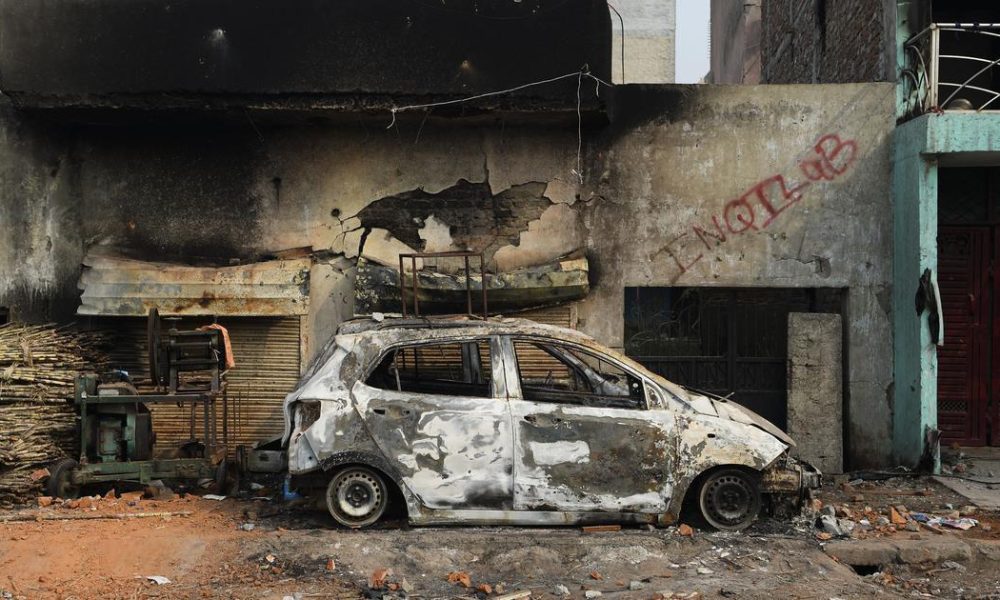
A Delhi court has handed a life sentence to former Aam Aadmi Party (AAP) councilor Tahir Hussain, along with four co-defendants, for their involvement in the murder of Intelligence Bureau staffer Ankit Sharma during the violent riots in February 2020. The judgment came after a protracted legal battle, during which the prosecution sought the death penalty for the accused. However, the court declined the request, emphasizing that capital punishment should only be applied in the most extreme circumstances.
The presiding judge characterized the violence as executed with “utmost brutality,” yet acknowledged that there was no evidence showing a habitual inclination towards violence from the defendants. While Hussain faced convictions for murder and multiple charges, he was acquitted of criminal conspiracy charges. Ankit Sharma was tragically killed by a mob amid the riots, with his body discovered in a drain, underscoring the brutality that marked those harrowing days in Delhi.
In a separate development, the government of Assam has invoked the National Security Act (NSA) against activist Pranab Doley, just a day after he was granted bail by a sessions court. The NSA’s invocation means that Doley will remain in custody despite the bail ruling, raising concerns regarding the state’s approach towards dissent and activism.
Doley, alongside another activist, was arrested on July 12 during a protest against a hotel project near Ingle Pathar, a village adjacent to the renowned Kaziranga National Park. Authorities alleged that the protest escalated when Doley unlawfully entered the site of the Tea Tribes Museum, which they claim violated public order. The police’s actions have sparked debates about the legitimacy of using the NSA against individuals engaged in peaceful protests, reflecting a broader tension between the state and civil society.
Both cases—Hussain’s conviction and Doley’s detention—highlight the ongoing struggles within Indian society concerning justice and civil liberties. As political dynamics shift, the implications for activism and accountability continue to unfold, raising critical questions about the balance between maintaining order and upholding democratic values.
Source: scroll.in




No Comment! Be the first one.