

Monsoon Disasters and Climate Change: A New Normal for India
The onset of the monsoon season, traditionally a time of relief for parched lands, has turned into a harbinger of calamity in India. In early July, the city of Mumbai faced a devastating incident in...

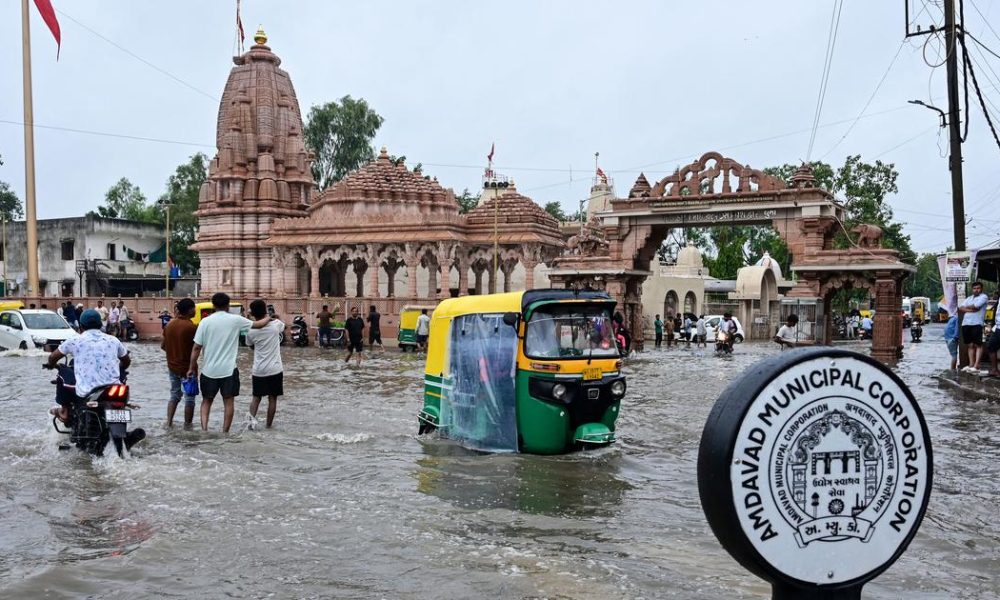
The onset of the monsoon season, traditionally a time of relief for parched lands, has turned into a harbinger of calamity in India. In early July, the city of Mumbai faced a devastating incident in Mankhurd when relentless rains led to the collapse of a building, tragically burying five children under the rubble. This disaster not only marked one of the wettest days in Mumbai in over fifty years but also highlighted the severe humanitarian implications of increasingly unpredictable weather patterns.
As floodwaters inundated the streets, paralyzing transport systems and challenging emergency services, the impact of climate change was starkly evident. Thousands of kilometers away, London grappled with its own climate crisis, as a summer heatwave pushed temperatures beyond 36 degrees Celsius. Commuters experienced distress in the oppressive heat, and climate activists took to the streets, blaming fossil fuels for exacerbating such extreme weather. Though these events unfolded in disparate locales, they underscore a universal truth: climate change is a global phenomenon, affecting both rich and poor nations with alarming intensity.
Recent reports from the World Meteorological Organization (WMO) have solidified this understanding, revealing that in 2023, global temperatures soared to an average of 1.45 degrees Celsius above pre-industrial levels. This is perilously close to the 1.5 degrees Celsius threshold outlined in the Paris Agreement, a point that signifies potentially catastrophic climatic shifts. The evidence is overwhelming, suggesting that India, along with the rest of the world, must prepare for a future characterized by extreme weather events—from devastating floods and crippling heatwaves to landslides and dust storms.
In India, the ramifications of these climatic changes extend beyond the immediate loss of life and property. Agriculture, a lifeline for millions, faces unprecedented threats as erratic weather patterns disrupt crop cycles. Urban infrastructure, often ill-equipped to handle such extremes, struggles under the pressure of flooding and heat. The economic toll of climate-related disasters is staggering, with recovery efforts frequently outpacing the resources available to affected communities.
As citizens and policymakers grapple with this ‘new normal’, it becomes imperative to address the underlying causes of climate change. Sustainable practices, investment in resilient infrastructure, and a commitment to reducing carbon emissions are essential steps toward mitigating future disasters. The urgency to act is paramount, as the climate crisis continues to unfold, shaping the socio-economic landscape of not just India, but the entire planet.
Source: scroll.in







No Comment! Be the first one.