

Chennai’s Great Salt Lake Faces Threat as Plans for New Water Reservoir Emerge
Residents of Chennai are grappling with the emotional and ecological implications of a significant proposal that could alter the Great Salt Lake, a vital coastal wetland that has flourished for...

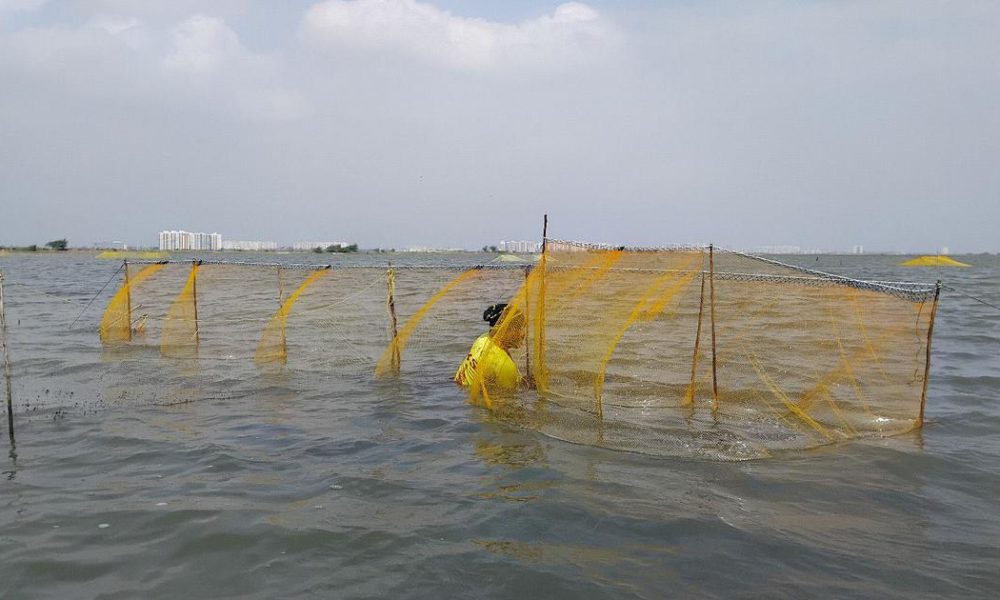
Residents of Chennai are grappling with the emotional and ecological implications of a significant proposal that could alter the Great Salt Lake, a vital coastal wetland that has flourished for generations. Located between Nemmeli and Kovalam, this ecological treasure covering 5,000 acres has been a source of life and sustenance for both wildlife and local communities. However, the Tamil Nadu government’s initiative to establish the Mamallan reservoir may jeopardize its delicate ecosystem.
As Narayanan R, a local fisherman, reminisced about his childhood experiences of fishing in the very same waters, he expressed concern about the future of the flamingos that grace the lake. “The flamingoes may not come next season,” he lamented, noting the imminent drying of the pools that sustain their habitat. His words echo the sentiments of many who have depended on these waters for generations, with the Great Salt Lake serving as a critical resource for both nature and livelihood.
Meanwhile, Gowriamma, who regularly searches the shoreline for shrimp, echoed similar worries. “Everything depends on these small pools. We know this water through the mud and the thorns,” she stated, highlighting the intimate connection local residents have with this rich ecosystem. The wetland is not merely a scenic spot; it is intertwined with the cultural and economic fabric of the community.
In light of Chennai’s escalating water crisis, which sees current consumption rates between 700 and 800 million litres daily—surpassing the demand of 1,100 million litres per day—authorities propose the Mamallan reservoir as a solution. Anticipated to supply an additional 170 million litres per day, the reservoir aims to meet the city’s projected water needs, which could exceed 2,500 million litres by 2035, as outlined in the project’s environmental impact assessment.
However, critics caution against the potential ecological ramifications of such a project. Converting the Great Salt Lake into a reservoir may lead to a loss of biodiversity, displacing the wildlife that have called this area home, while also disrupting the livelihoods of locals who rely on its resources. The balancing act between meeting urban water demands and preserving ecological integrity is a challenge that city planners must navigate carefully.
As discussions around the Mamallan reservoir continue, many hope that a solution can be found that respects both the urgent needs of Chennai’s water supply and the irreplaceable ecological heritage of the Great Salt Lake. The fate of this coastal wetland remains uncertain, but the voices of its local inhabitants serve as a poignant reminder of what is at stake.
Source: scroll.in






No Comment! Be the first one.