

Rahul Gandhi Calls for Amit Shah’s Resignation Amid Protests and Legislative Changes
In a recent press conference, Congress leader Rahul Gandhi escalated his call for the resignation of Union Home Minister Amit Shah, attributing blame for the violence against students during their...

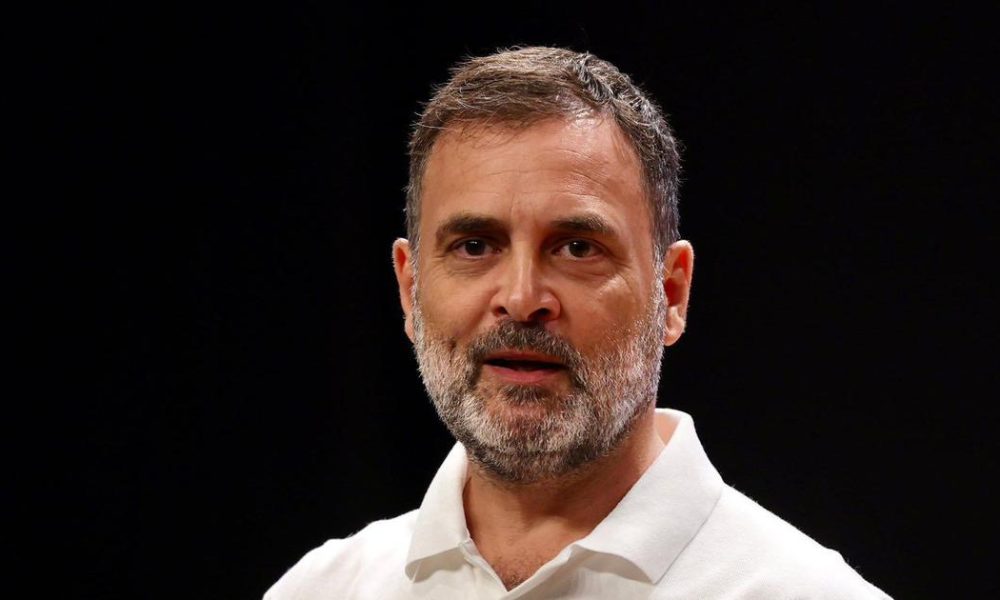
In a recent press conference, Congress leader Rahul Gandhi escalated his call for the resignation of Union Home Minister Amit Shah, attributing blame for the violence against students during their protest in Delhi on July 20. Gandhi emphasized that the minister’s actions—or lack thereof—during the incident necessitate his removal from office. He stated, “If Amit Shah was unaware of the violence, it signifies his incompetence; if he was aware, he bears responsibility for it. Either way, he must resign,” highlighting the gravity of the situation.
At the Lok Sabha, Gandhi did not hold back in his criticisms, claiming that Shah had effectively sanctioned the violence against protesting students, referring to the actions as an authorization to shoot. His allegations prompted a raucous response from members of the House, ultimately leading to an adjournment as tensions escalated among both ruling and opposition factions. These events underscore the increasing polarization within Indian politics, particularly regarding government responses to public dissent.
Gandhi’s remarks come in the wake of widespread protests by students demanding justice for their peers who participated in the recent demonstrations against various government policies. These protests, which have been marked by significant unrest, reflect growing frustrations among the youth regarding employment opportunities and educational reforms. The Congress party’s stance, as articulated by Gandhi, aims to resonate with a demographic that feels marginalized.
In another development, while the Lok Sabha was embroiled in chaos over the allegations against Shah, it successfully passed a bill amending the anti-paper leak law. This legislative move, facilitated through a voice vote, was met with opposition protests. Union Education Minister Pralhad Joshi underscored the government’s commitment to tackling issues of integrity in academic assessments, indicating that the new law would introduce stricter penalties and provisions against malpractice in academic examinations.
The simultaneous unfolding of these events highlights the contentious atmosphere in Indian politics today, where student protests and legislative reforms are intertwined. With the opposition demanding accountability from the government amid rising discontent among youth, the coming days may see heightened political activity as various factions prepare for upcoming elections.
Source: scroll.in





No Comment! Be the first one.