

Youth Unite at Jantar Mantar: Addressing Exam Leaks and Demanding Accountability
In a significant display of unity and determination, tens of thousands of students across India have gathered in protests over the past fortnight, primarily triggered by issues surrounding exam paper...

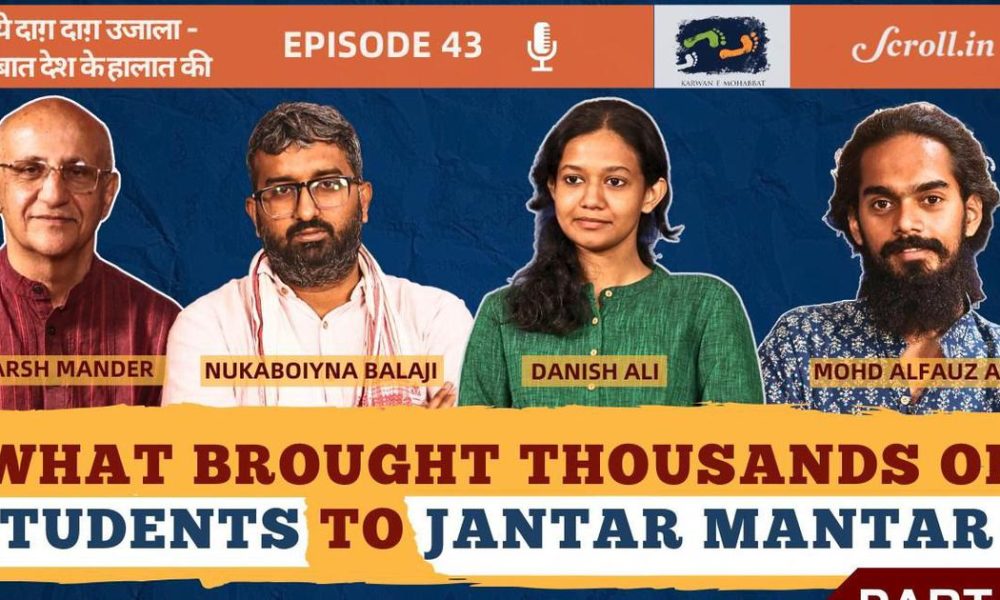
In a significant display of unity and determination, tens of thousands of students across India have gathered in protests over the past fortnight, primarily triggered by issues surrounding exam paper leaks and a pressing call for government accountability. The focal point of these demonstrations was Delhi’s Jantar Mantar, where students voiced their grievances against the education system and the authorities responsible for it.
A panel discussion featuring prominent figures such as Danish Ali, a PhD scholar and joint secretary of the Jawaharlal Nehru Students’ Union, along with N Sai Balaji, a researcher and former president of the All India Students Association, and Mohammed Alfauz, national general secretary of the Fraternity Movement, explored the underlying sentiments that have led to this mass mobilization. The speakers noted a pervasive sense of betrayal among the youth, who feel that their aspirations for a fair education system and career opportunities are being neglected.
The recent protests have not only highlighted the immediate issues at hand but have also showcased a new generation of protesters who are creatively harnessing humor, music, and social media to amplify their voices. This innovative approach has brought a fresh vibrancy to the protests, as students utilize memes and digital platforms to engage their peers and draw attention to their cause.
One of the key demands emerging from these protests was the resignation of Dharmendra Pradhan, the Union Minister for Education, who ultimately stepped down. This event marks a significant moment in student activism, signaling that the youth can wield considerable influence over political accountability. The discussions among student leaders at the protests also delved into broader topics such as education policy, employment opportunities, and the importance of civic participation in a democracy.
The implications of these protests extend far beyond the immediate demands. They represent a pivotal moment in India’s socio-political landscape, where young individuals are increasingly asserting their rights and advocating for systemic change. As they rally for their futures, their actions leave a lasting impact on the ongoing discourse surrounding education and governance in the country.
Source: scroll.in






No Comment! Be the first one.