

Bombay High Court Affirms Right to Criticize Babri Masjid Demolition, Calls It Not ‘Anti-National’
The Bombay High Court delivered a significant ruling on Tuesday, asserting that voicing objections to the demolition of the Babri Masjid in Ayodhya does not equate to being...

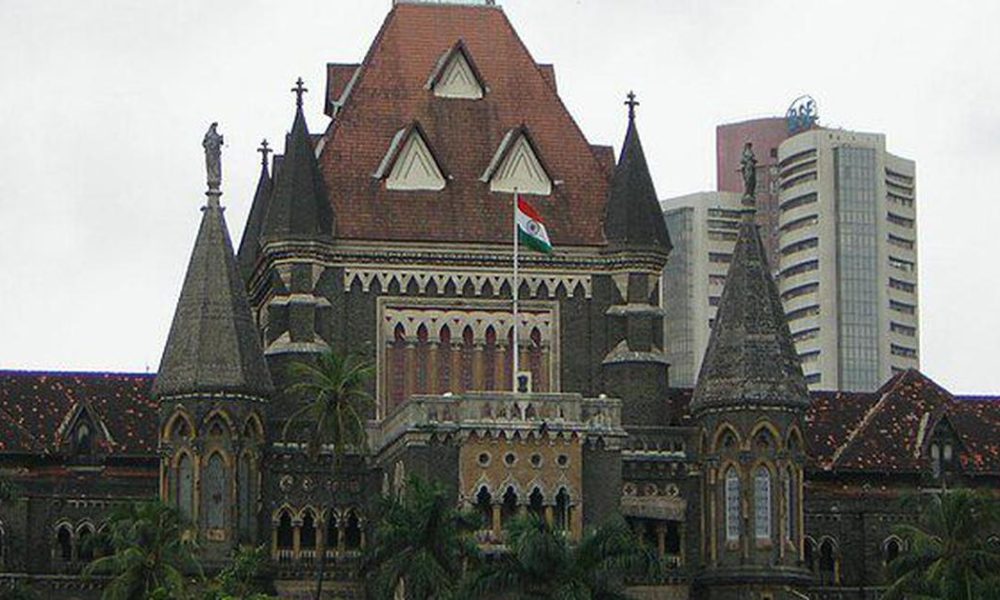
The Bombay High Court delivered a significant ruling on Tuesday, asserting that voicing objections to the demolition of the Babri Masjid in Ayodhya does not equate to being ‘anti-national.’ Justice Madhav Jamdar emphasized that citizens in a democracy are entitled to express differing opinions, reinforcing the principles of free speech and public discourse.
This decision came while the court addressed petitions submitted by Firoz Abdul Wahab Khan and Mohammad Rafiq Gulam Rasul Ansari, who were challenging externment orders that prohibited them from entering Mumbai for one year. The orders were initially issued by the Mumbai Police on December 3, 2025, and were linked to several first information reports (FIRs) filed for protests concerning the Waqf Amendment Bill, air pollution accusations involving cement godowns in the Chembur-Govandi area, and the highly controversial Babri Masjid demolition.
The Babri Masjid, a mosque that was built in the 16th century, was demolished on December 6, 1992, by Hindu activists who claimed it was erected at the birthplace of Lord Ram. This event sparked widespread communal violence across the nation, resulting in significant loss of life and property. The matter surrounding the mosque has remained a flashpoint in Indian society, with ongoing debates about religious sentiments, historical grievances, and the intersection of politics and faith.
Last year, the site of the demolished mosque became the focus of renewed attention when Prime Minister Narendra Modi inaugurated the Ram temple at Ayodhya on January 22, 2024. This event marked a pivotal moment in the long-standing dispute that has polarized communities in India.
During the hearing, the court pointed out that any action taken against citizens should not be arbitrary or selective. The ruling underscores the significance of safeguarding individual rights and the right to protest. Justice Jamdar’s remarks highlight the court’s stance on ensuring that dissenting voices are not suppressed, particularly in a democratic setup where differing views are crucial for healthy discourse.
Source: scroll.in





No Comment! Be the first one.