

Is the UK’s Political Instability a Reflection of a Failing Democracy Compared to India’s Steadfast Governance?
The recent leadership change in the United Kingdom has reignited discussions about the inherent fragility of its political landscape. With the country witnessing its seventh prime minister in just a...

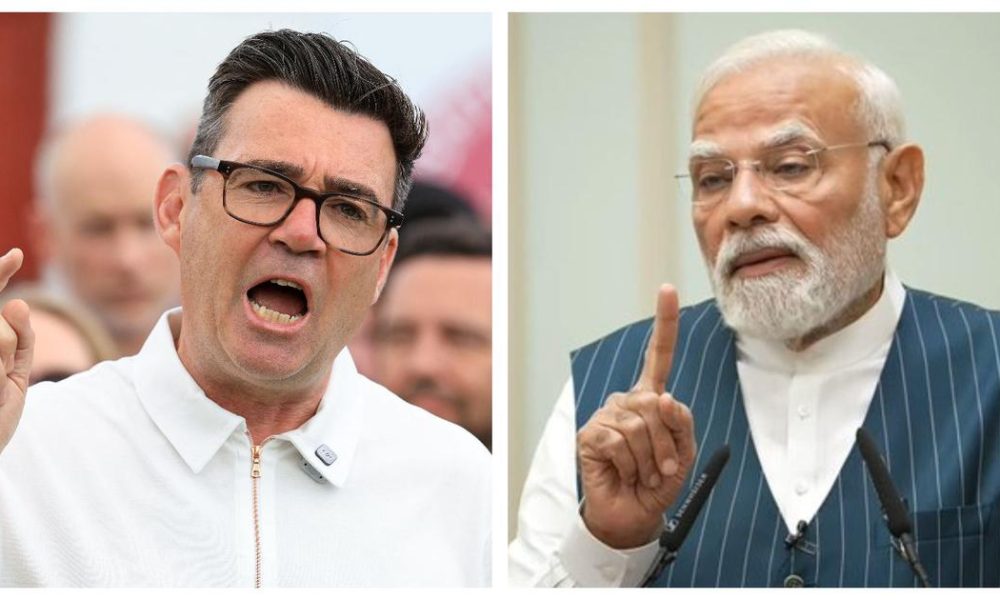
The recent leadership change in the United Kingdom has reignited discussions about the inherent fragility of its political landscape. With the country witnessing its seventh prime minister in just a decade, concerns about the state of British democracy are escalating. Four years back, a critical report by openDemocracy announced that while Boris Johnson had stepped down, the democratic processes in Britain remained perilously flawed. Now, with Labour leader Keir Starmer resigning to make way for Andy Burnham, The Economist has posed an alarming question: Is British politics in disarray?
This frequent turnover in leadership is symptomatic of a systemic crisis within the UK’s governance. The persistent reshuffling at the top has led to a noticeable dysfunction within the government, undermining the authority of the prime minister and prompting serious inquiries into the country’s capability to govern effectively. The political loyalty of voters appears increasingly transient, with fluctuating support for parties like Labour, which had enjoyed a significant victory just two years ago. Starmer’s recent decline in approval ratings further exemplifies this volatility, indicating a broader trend of instability that seems to have taken root in British politics.
The continuous leadership changes in the UK have drawn comparisons with other democratic nations, particularly India. While India has faced its own challenges, it has often managed to maintain a sense of political stability. The contrasting narratives provide a fascinating lens through which to examine the resilience of Indian governance against the backdrop of the UK’s ongoing turmoil. In Germany, Der Spiegel has likened Downing Street to a mere transit hub, highlighting the impermanence that has become a hallmark of British leadership.
Russia’s state media has even referred to this situation as an “illusion of democracy,” a characterization that underscores the seriousness of the implications. Yet, the question remains: Is the state of British democracy as dire as it appears? Historical context shows that instability can sometimes lead to significant reform and change, allowing for a recalibration of political priorities. Nevertheless, the chronic instability in the UK raises concerns regarding the quality of governance and the true efficacy of its democratic institutions.
As the world watches this unfolding drama, many are left pondering whether India’s political framework, which has weathered its share of storms, offers a more stable alternative. Comparing the two democracies reveals stark contrasts, with India often seen as a bastion of resilience amidst the chaos that seems to envelop British politics. Understanding these differences not only provides valuable insights into governance but also highlights the complexities of democracy itself in different socio-political contexts.
Source: scroll.in







No Comment! Be the first one.