

Sonam Wangchuk Ends Hunger Strike: A Reflection on the Legacy of Fasting Protests in India
On Thursday night, esteemed educator and environmental activist Sonam Wangchuk concluded his hunger strike after over three weeks in New Delhi. Known for his commitment to nonviolent protests,...

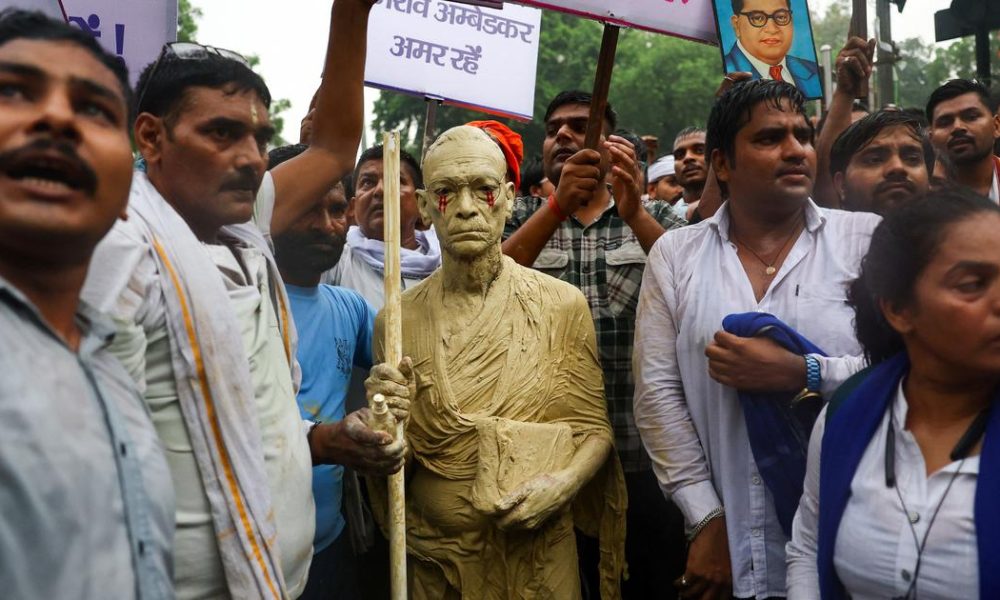
On Thursday night, esteemed educator and environmental activist Sonam Wangchuk concluded his hunger strike after over three weeks in New Delhi. Known for his commitment to nonviolent protests, including fasting, Wangchuk has frequently highlighted the urgent need for statehood for Ladakh while also raising awareness about the environmental challenges facing the Himalayas. However, this recent protest took a different direction, focusing on a scandal that has shaken the educational landscape in India.
The backdrop for Wangchuk’s fasting was the shocking leak of the question paper for the NEET-UG, the national entrance examination for medical colleges, which occurred in May. The fallout saw over two million students required to retake the exam in June, marking one of the largest instances of examination malpractice in recent history. In solidarity with the newly formed Cockroach Janata Party—an emerging youth movement—Wangchuk demanded accountability from Education Minister Dharmendra Pradhan and called for a comprehensive overhaul of the entrance examination system.
While hunger strikes are not unique to India, the country has undoubtedly transformed this form of protest into a powerful tool for social and political change. Historically, hunger strikes have been employed in various movements, serving as a means for marginalized voices to demand attention and action from the state. From the iconic fasts of Mahatma Gandhi during the struggle for independence to contemporary movements, fasting has become synonymous with India’s protest culture.
Wangchuk’s fast joins a long list of significant hunger strikes that have shaped Indian history. Activists like Sant Fateh Singh, who championed the creation of a Punjabi-speaking state in the 1960s, used the power of fasting to galvanize support and push for political change. These moments not only highlight the effectiveness of nonviolent protest but also emphasize the deep-rooted connection between hunger strikes and the fight for justice in India.
The current situation reflects a growing discontent among students and the public at large regarding the integrity of the education system. Amid widespread calls for reform, Wangchuk’s act of fasting serves as a poignant reminder of the power of peaceful protest in the face of governmental apathy. As India grapples with the implications of the NEET-UG leak, the outcomes of these protests may very well influence future discussions on educational reforms and accountability.
Source: scroll.in






No Comment! Be the first one.