

Supreme Court Urges Compliance on Namaz Site Near Bhojshala Complex
In a significant legal development, the Supreme Court of India has directed both the central and Madhya Pradesh state governments to ensure adherence to its previous order regarding the site...

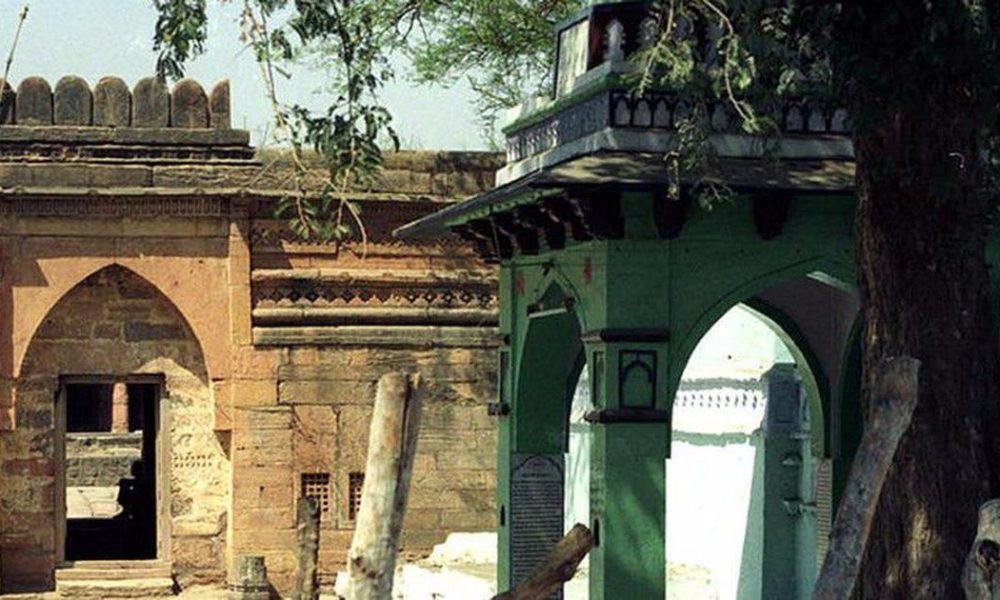
In a significant legal development, the Supreme Court of India has directed both the central and Madhya Pradesh state governments to ensure adherence to its previous order regarding the site allocated for Friday prayers near the Bhojshala-Kamal Maula mosque complex. The court’s directive came during proceedings on Wednesday, where it was highlighted that the location proposed by the state was situated nearly two kilometers away from the mosque, contravening the court’s directive from July 14.
The dispute over the Bhojshala complex has been a point of contention, with the Muslim community asserting that the site designated by the Madhya Pradesh government is not only distant but fails to meet the court’s stipulation of being “adjacent” to the mosque. During the hearing, Chief Justice Surya Kant emphasized that the order must be implemented in its true spirit, underscoring the need for the government to rectify this situation promptly.
Solicitor General Tushar Mehta, representing both the central and state authorities, contended that the distance to the designated site was approximately 900 meters. However, acknowledging the court’s concerns, he committed to engaging with relevant authorities to identify a more suitable location for the congregation. Justice Joymala Bagchi reiterated the necessity for compliance with the court’s specific language regarding proximity, signaling that any failure to adhere to the order could lead to further legal implications.
This case has its origins in a ruling issued by the Madhya Pradesh High Court on May 15, which classified the Bhojshala complex in Dhar district as a temple dedicated to the Hindu deity Saraswati. This ruling invalidated a 2003 order from the Archaeological Survey of India that allowed Hindus to conduct prayers on Tuesdays while permitting Muslims to perform namaz on Fridays within the complex. Such judicial decisions have intensified the ongoing conflict over the site, with both communities laying claim to its historical and religious significance.
The Supreme Court’s intervention marks a pivotal moment in this legal saga, as it seeks to balance the religious sentiments of both Hindus and Muslims while adhering to the tenets of justice. As the government works to address the court’s orders, all eyes will be on the developments that follow, particularly in respect to maintaining communal harmony in a region long imbued with historical significance.
Source: scroll.in






No Comment! Be the first one.