

Madhya Pradesh Assembly Enacts Uniform Civil Code Bill Amidst Controversy
The Madhya Pradesh Assembly has officially approved the Uniform Civil Code (UCC) Bill, a significant legislative move aimed at standardizing personal laws surrounding marriage, divorce, succession,...

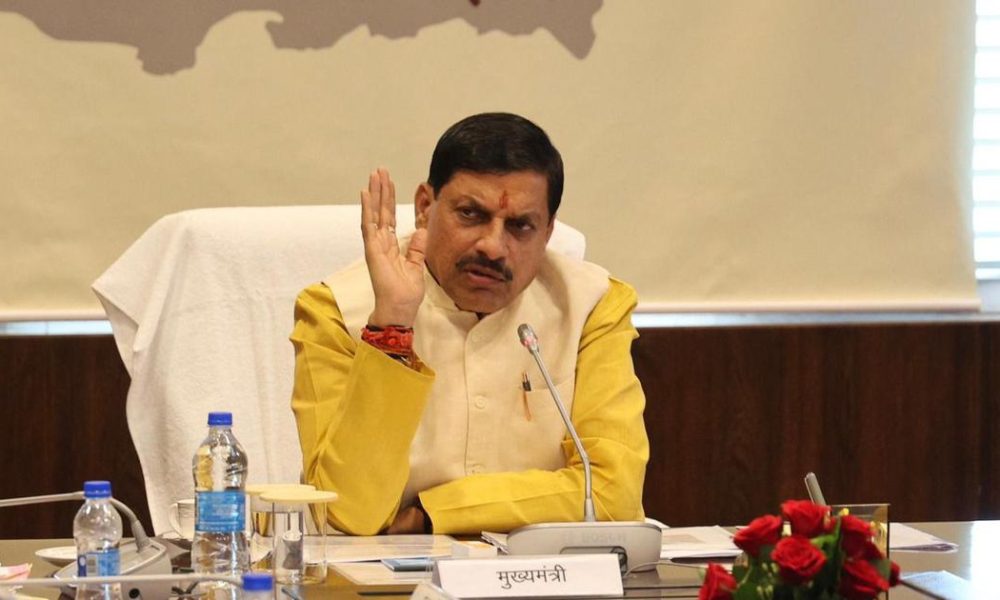
The Madhya Pradesh Assembly has officially approved the Uniform Civil Code (UCC) Bill, a significant legislative move aimed at standardizing personal laws surrounding marriage, divorce, succession, and adoption across all communities in the state. The bill, which prohibits polygamy and sets stringent guidelines for live-in relationships, was passed on Tuesday through a voice vote, just a day after it was introduced by the Bharatiya Janata Party (BJP) government.
Notably, the legislation provides exemptions for Adivasi communities, acknowledging the need to preserve their cultural customs and traditions. This action places Madhya Pradesh in the spotlight as it becomes the fourth state governed by the BJP to enact a Uniform Civil Code, following similar initiatives in other regions.
During the Assembly session, Chief Minister Mohan Yadav opened the discussion with the phrase “Jai Shri Ram,” emphasizing a political stance that prioritizes the welfare of Hindus. He asserted that those who advocate for Hindu interests will lead the state, reflecting a broader ideological narrative prevalent in the current political climate.
Opposition voices, particularly from the Congress party, expressed strong dissent against the bill. Congress MLAs requested that the legislation be sent to a select committee for further review, arguing that the UCC could disproportionately impact specific communities, especially Muslims. MLA Arif Masood referred to the bill as a tool meant to “trouble” the Muslim population, labeling it as unconstitutional and asserting that it undermines the diversity of personal laws that have been historically practiced across different religions.
The debate surrounding the Uniform Civil Code is steeped in a wider national conversation about secularism, personal freedoms, and the rights of various communities in India. Proponents of the UCC argue that it is a step towards greater equality and gender justice, while critics warn that it could infringe upon the rights of religious minorities and disrupt traditional practices. As the state implements this legislation, the implications for social harmony and legal frameworks will be closely monitored, making Madhya Pradesh a focal point in the ongoing discourse about civil rights in India.
Source: scroll.in







No Comment! Be the first one.