

Navigating Online Trust: Insights from a Journalist’s Encounter with Digital Payment Scams
In our increasingly digital world, the way we interact with technology has become a vital part of our daily lives. From the moment we wake up, our reliance on various online platforms shapes our...

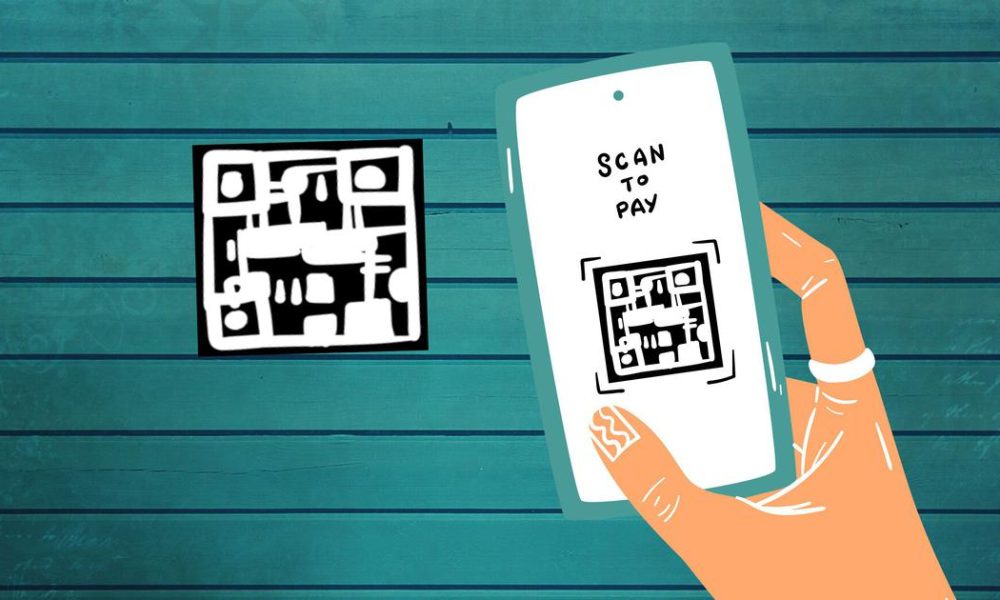
In our increasingly digital world, the way we interact with technology has become a vital part of our daily lives. From the moment we wake up, our reliance on various online platforms shapes our routines. Whether it’s sending messages through WhatsApp, searching for information on Google, or shopping online, we engage with technology incessantly. Another common scenario is utilizing ride-hailing services like Uber, often prompted by a simple reminder from a friend. This dependence on digital solutions raises significant questions about the trust we place in these platforms.
A new book by a journalist sheds light on an alarming reality about online payments and digital transactions. Through her personal experience with a scam, she explores the vulnerabilities inherent in the systems we so readily accept. The author, whose insights are particularly relevant in India’s rapidly digitizing economy, emphasizes the blind spots that many of us overlook in our day-to-day engagements with technology.
India’s digital landscape has expanded dramatically in recent years, with a surge in e-commerce and online services. As more people turn to the internet for basic necessities and leisure activities, the risks associated with online transactions have also escalated. The author’s narrative highlights how easily individuals can fall victim to fraud, often due to an overestimation of the security measures in place. She argues that while we expect large tech companies to safeguard our information, the reality is that they operate primarily for profit, often at the expense of user security.
This growing trust in technology companies is not just a personal concern; it has broader implications for society. The concentration of power in the hands of a few multinational corporations can lead to systemic vulnerabilities. The journalist’s recounting of her experiences serves as a wake-up call, urging readers to adopt a more critical perspective on their interactions with technology. It encourages a dialogue about digital literacy, highlighting the importance of being informed consumers in a digital-first age.
As India continues to embrace digital transformation, it is crucial for users to recognize the potential pitfalls of their online activities. The lessons gleaned from the author’s experience advocate for vigilance and critical thinking when navigating online spaces. By being aware of these challenges, individuals can cultivate a healthier relationship with technology, ensuring they remain in control rather than becoming unwitting victims of exploitation.
Source: scroll.in







No Comment! Be the first one.