

Ladakh’s Apricot Harvest Faces Uncertain Future Amid Climate Change
Nusrat Rehman, a spirited 10-year-old from Kargil in Ladakh, eagerly anticipates returning home from school each day during the summer months. For Nusrat, the arrival of summer signifies not just the...

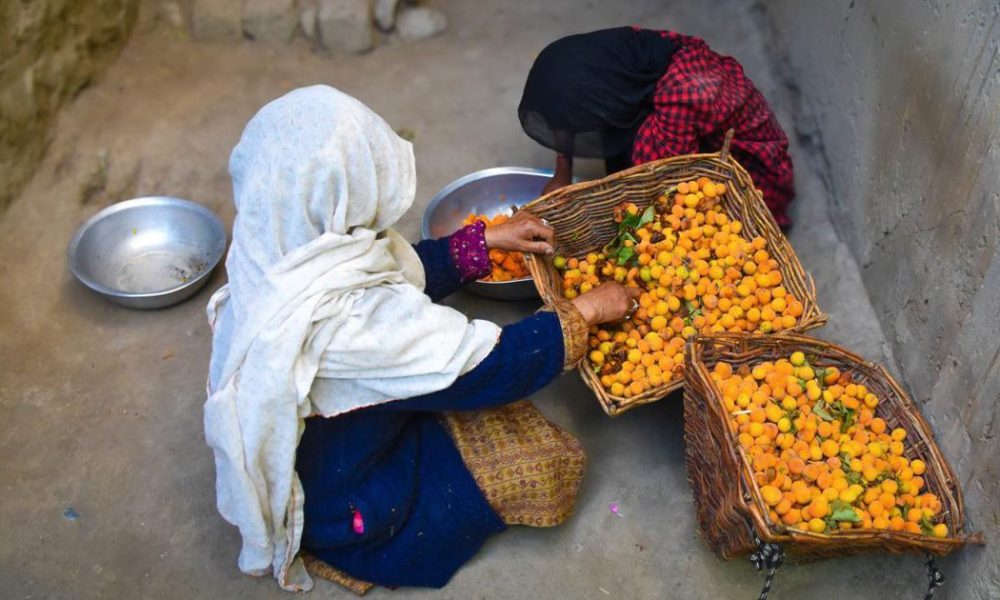
Nusrat Rehman, a spirited 10-year-old from Kargil in Ladakh, eagerly anticipates returning home from school each day during the summer months. For Nusrat, the arrival of summer signifies not just the end of classes but also the season for harvesting her favorite fruit: apricots. As soon as the school bell rings, she rushes down the hill and across the Suru River, excited to pluck and savor the fresh apricots from her family’s orchard.
In the unique geographical landscape of Ladakh, which is characterized by its high-altitude desert conditions, apricot cultivation plays a vital role. The region is responsible for producing an impressive 62% of India’s total apricot yield, according to government statistics. The trees are not merely decorative; they form an essential foundation for the local way of life, interwoven into the cultural fabric and the economy of the area.
For the people of Ladakh, apricots are more than just a summer delicacy. Freshly harvested, they are consumed during the warmer months, while dried apricots serve as a crucial food resource during the harsh winters. The long and isolating winters often leave communities cut off for months, making the nutrient-rich dried fruit a staple that provides both calories and essential nutrients when other food sources are scarce.
However, the delicate balance of this relationship between Ladakh’s inhabitants and their beloved apricots is now under threat due to climate change. Irregular weather patterns, including delayed spring seasons and erratic rainfall, have begun to impact the growth cycles of apricot trees. This has raised concerns among farmers and families who depend on these fruits not only for their diet but also for their livelihoods.
The local community is growing increasingly aware of the potential long-term implications of climate fluctuation, with many expressing fears that the very fabric of their culture and economy could be endangered. As they grapple with these environmental changes, the resilience of Ladakh’s people shines through, reflecting their deep connection to the land and their determination to adapt to the challenges posed by climate change.
Source: scroll.in







No Comment! Be the first one.