

Madhya Pradesh Cabinet Approves Draft for Uniform Civil Code, Exempting Adivasi Communities
The Madhya Pradesh Cabinet has taken a significant step by approving the draft for a Uniform Civil Code (UCC) Bill aimed at establishing standardized laws for marriage, divorce, succession, and...

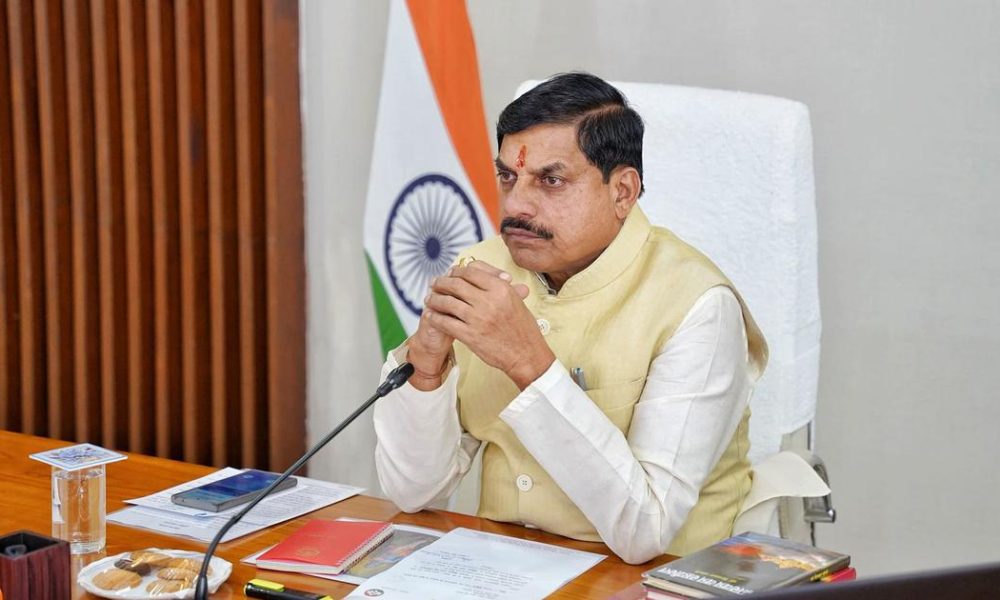
The Madhya Pradesh Cabinet has taken a significant step by approving the draft for a Uniform Civil Code (UCC) Bill aimed at establishing standardized laws for marriage, divorce, succession, and adoption across all religions. This decision, made on Sunday, is set to be presented in the state Assembly during the upcoming Monsoon Session, which is scheduled to commence on Monday.
The proposed UCC seeks to eliminate practices such as polygamy and to enforce strict regulations on live-in relationships. Notably, the bill exempts Adivasi communities from its provisions in a bid to preserve their distinct cultural heritage and lifestyle. Chief Minister Mohan Yadav emphasized that the UCC’s primary goal is to ensure equal rights and justice for every citizen, reinforcing the idea that these reforms are essential for modernizing personal laws that currently vary by religious affiliation.
According to the Chief Minister, public feedback played a crucial role in shaping the draft. He noted that a substantial majority of Muslim women—over 80%—and 40% of Muslim men expressed their support for the implementation of the Uniform Civil Code. This statistic underscores a growing recognition among various communities about the need for uniformity in civil laws, particularly in matters that affect familial and personal rights.
The draft legislation explicitly labels practices such as triple talaq and nikah halala as illegal and subjects them to punitive measures. Furthermore, it mandates that couples living together outside of marriage must file an affidavit with the local registrar within one month of commencing their relationship, thereby establishing a formal recognition of such partnerships within the legal framework.
This move towards a Uniform Civil Code is part of a broader discourse in India regarding gender equality and the harmonization of personal laws that have historically been influenced by religious traditions. While the exemption for Adivasi communities aims to honor their unique customs, the implications of such sweeping reforms could spark extensive debate as the bill moves forward. As the Monsoon Session approaches, all eyes will be on the Assembly to see how these proposed changes will be received by lawmakers and the public alike.
Source: scroll.in







No Comment! Be the first one.