

Supreme Court Puts Temporary Hold on Border Demolition Orders Amid Legal Challenges
The Supreme Court of India has intervened to temporarily suspend the demolition of certain structures located within a 50-kilometer radius of the India-Pakistan border, following a plea from affected...

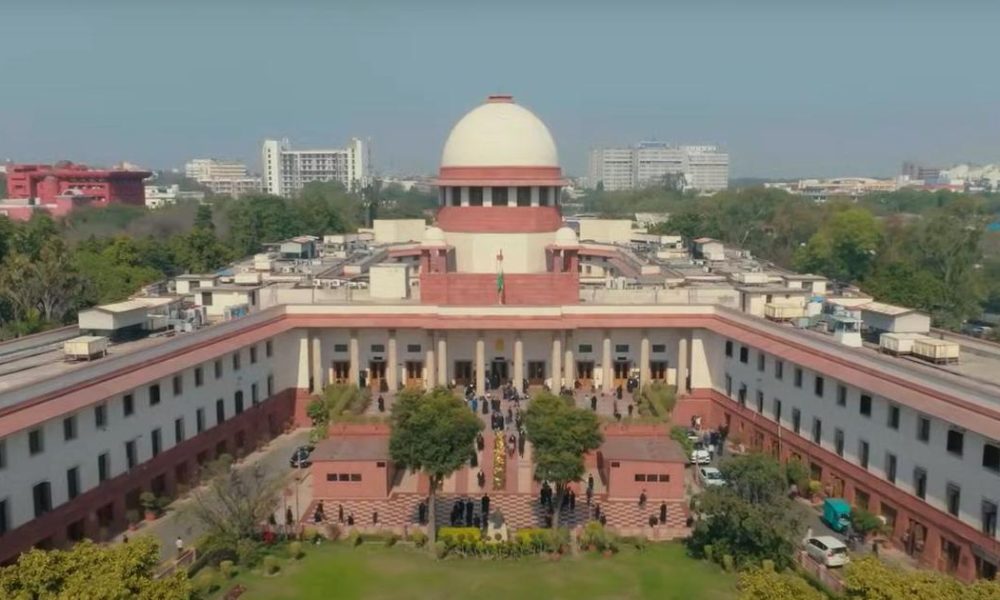
The Supreme Court of India has intervened to temporarily suspend the demolition of certain structures located within a 50-kilometer radius of the India-Pakistan border, following a plea from affected individuals. This decision came on Friday when the court refused to entertain a petition filed by eight individuals, advising them instead to seek redress from the Rajasthan High Court.
The legal challenges began after the Rajasthan High Court dismissed petitions that opposed the government’s plan to demolish multiple mosques, dargahs, and madrasas situated in sensitive border areas. The Supreme Court’s bench, consisting of Justices PS Narasimha and Alok Aradhe, indicated that the government’s move to strengthen the jurisdiction and operational authority of the Border Security Force (BSF) was a strategic response to evolving security concerns. The bench emphasized the necessity for increased vigilance due to the proximity of these structures to the international border.
Approximately 40 individuals affected by the Union government’s demolition orders had approached the Supreme Court following the recent dismissals by the High Court. Reports indicate that the Jamiat Ulama-i-Hind conducted a fact-finding mission to assess the implications of the demolitions, which included the tearing down of at least four mosques in the border districts of Barmer and Jaisalmer during June.
On Friday, the Supreme Court instructed the petitioners to file their appeal with the Rajasthan High Court within a two-week timeframe, clarifying that their ruling should not be construed as an evaluation of the case’s merits. The court expressed its commitment to maintaining a fair judicial process as it navigates the intersection of national security and religious freedom.
This situation has ignited discussions about the balance between security measures and the preservation of religious sites, particularly in regions that bear historical and cultural significance. As the matter progresses, it will be essential to monitor how both the judicial system and the government approach these sensitive issues that affect local communities.
Source: scroll.in







No Comment! Be the first one.