

Media Coverage of Sonam Wangchuk’s Forced Hospitalization Amid CJP Protest Raises Eyebrows
In a significant turn of events, activist Sonam Wangchuk was forcibly removed from his hunger strike site at Jantar Mantar in Delhi and taken to a hospital, drawing attention to the role of the...

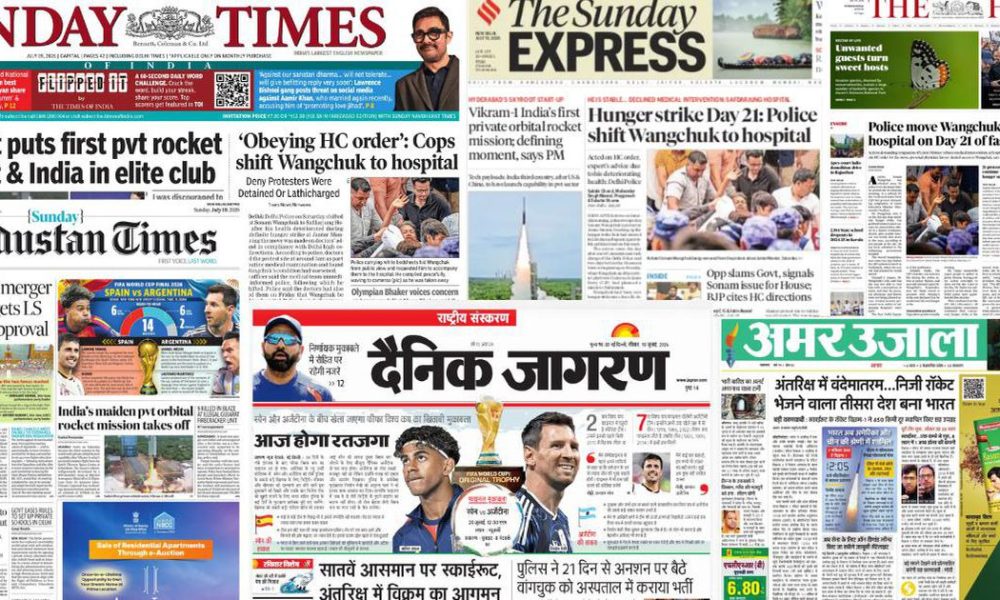
In a significant turn of events, activist Sonam Wangchuk was forcibly removed from his hunger strike site at Jantar Mantar in Delhi and taken to a hospital, drawing attention to the role of the police and media in the unfolding situation.
The 56-year-old activist, known for his advocacy on education reforms, had been on a hunger strike since June 28 as part of the Cockroach Janta Party’s campaign. The campaign demands the resignation of Union Education Minister Dharmendra Pradhan, citing alleged mismanagement of competitive exams. Wangchuk’s protest has been a focal point for many who believe that systemic changes are necessary in India’s education system.
On Saturday morning, police officials intervened, stating that they acted in compliance with a Delhi High Court order to ensure Wangchuk’s health was monitored. According to the authorities, he was taken to Safdarjung Hospital for “essential medical care.” The High Court had earlier directed that the activist’s health be closely watched and mandated any required medical intervention to be provided by the government.
While the police justified their actions as a legal obligation, the media’s portrayal of the event has raised questions. Coverage varied significantly; while some newspapers featured the story on their front pages, others downplayed it. For instance, the Hindustan Times placed the news towards the bottom of its front page, focusing mainly on the responses from opposition parties regarding the incident. In contrast, the Hindi daily Amar Ujala chose not to highlight the story at all on its front page, leading to criticism that vital issues are being sidelined.
This disparity in reporting has sparked discussions among readers and analysts alike. Many are concerned that the media’s handling of such a critical issue diminishes public awareness about the ongoing concerns surrounding the education sector in India. Wangchuk’s hunger strike symbolizes broader frustrations regarding the management of educational policies and the accountability of public officials.
As the situation unfolds, observers are keenly watching both the activist’s health and the government’s response. The media’s responsibility in presenting these narratives will play a significant role in shaping public opinion and mobilizing support for education reform initiatives in the country.
Source: scroll.in






No Comment! Be the first one.