

Opposition Slams Modi After Activist Sonam Wangchuk is Hospitalized During Hunger Strike
The political landscape in India became heated on Saturday as the opposition criticized Prime Minister Narendra Modi for allegedly insulting renowned activist Sonam Wangchuk. Wangchuk was forcibly...

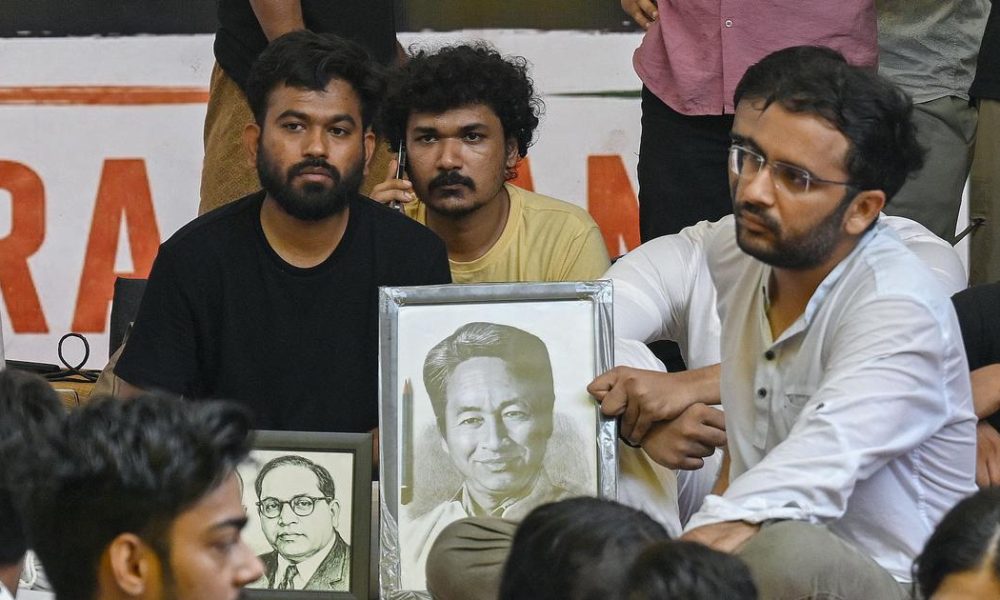
The political landscape in India became heated on Saturday as the opposition criticized Prime Minister Narendra Modi for allegedly insulting renowned activist Sonam Wangchuk. Wangchuk was forcibly taken to a hospital by Delhi Police while he was on a hunger strike at Jantar Mantar, a prominent site for protests in the capital.
Congress leader Rahul Gandhi was vocal in his condemnation, labeling Wangchuk’s removal from the protest site as an unjust act against a peaceful demonstration. Gandhi took to social media to express his views, stating that Wangchuk was engaged in a non-violent hunger strike aimed at drawing attention to pressing educational issues. He accused the Modi administration of embodying principles of falsehood and violence, saying, “The core tenets of the Modi government are Asatya [falsehood] and Hinsa [violence].”
Wangchuk’s hunger strike commenced on June 28 and has been ongoing for 21 days, as part of a campaign led by the Cockroach Janta Party. This movement is demanding the resignation of Union Education Minister Dharmendra Pradhan over what protesters describe as significant mismanagement of competitive examinations in the country. The police intervened on Saturday morning, citing a High Court order to provide Wangchuk with essential medical care.
Highlighting critical matters such as paper leaks, soaring education costs, and the alarming rise in student suicides, Gandhi emphasized that these issues are vital for India’s future. He stated, “No amount of force can deter India’s students, and those of us who love and believe in them, from raising these issues.” This sentiment reflects growing concern among the youth and educational activists regarding the state of the education system in India.
In response to the situation, Aam Aadmi Party chief Arvind Kejriwal also expressed his discontent, suggesting that the government should engage in meaningful dialogue rather than resorting to forceful measures against peaceful protests. As the political rhetoric intensifies, the fate of educational reform in India hangs in the balance, with activists like Wangchuk at the forefront of the movement.
Source: scroll.in







No Comment! Be the first one.