

Supreme Court Affirms Citizenship Rights Amid Voter Roll Revisions; US Escalates Actions Against Iran’s Chabahar Port
The Supreme Court of India has made an important clarification regarding the special intensive revision of electoral rolls in West Bengal. The court emphasized that individuals whose names have been...

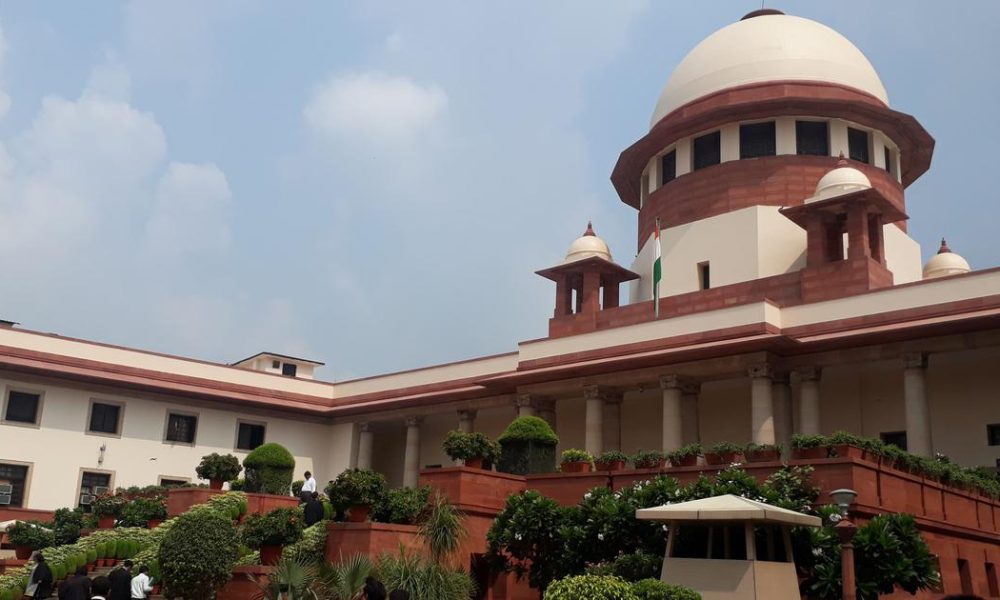
The Supreme Court of India has made an important clarification regarding the special intensive revision of electoral rolls in West Bengal. The court emphasized that individuals whose names have been excluded from the voter list during this process will not automatically lose their citizenship status. This ruling comes in the wake of a plea requesting a streamlined process for the hearings in the appellate tribunals within the state.
In a previous ruling made in May, the Supreme Court stated that the Election Commission, which oversees the voter roll revisions, lacks the authority to adjudicate on matters of citizenship. The bench reiterated this position during the latest hearing, affirming that those removed from the electoral rolls following the revision exercise are still entitled to various welfare benefits, including subsidized rations. This statement is particularly significant given the sensitive nature of citizenship discussions in India.
Meanwhile, on the international front, the United States has intensified its military actions in the Middle East, targeting Iran’s strategic Chabahar port. This escalation marks the sixth consecutive night of attacks, with the US Secretary of War, Pete Hegseth, sharing a photograph on social media depicting the collapse of what appears to be the port’s maritime control tower. The Chabahar port, which has been developed with India’s assistance, has significant economic implications for the region.
In addition to the port, the US has carried out strikes on various critical infrastructures in Iran, including bridges in the Hormozgan province, railway facilities near Bandar Abbas, and the airport in Iranshahr. These actions reflect a broader strategy by the US aimed at exerting pressure on Iran amidst rising tensions in the region. The Iranian government has responded to these attacks, though details of their counteractions remain limited.
This confluence of domestic legal decisions and international military developments highlights the complex landscape of current affairs affecting India and its geopolitical interests. As the Supreme Court aims to protect citizens’ rights within the country, the ramifications of international actions may also have ripple effects on India’s foreign policy and its relationship with Iran.
Source: scroll.in







No Comment! Be the first one.