

Supreme Court Affirms Welfare Entitlements for Excluded Voters in West Bengal
The Supreme Court of India has asserted that individuals whose names were removed from the electoral rolls during the recent intensive revision in West Bengal remain eligible for certain welfare...

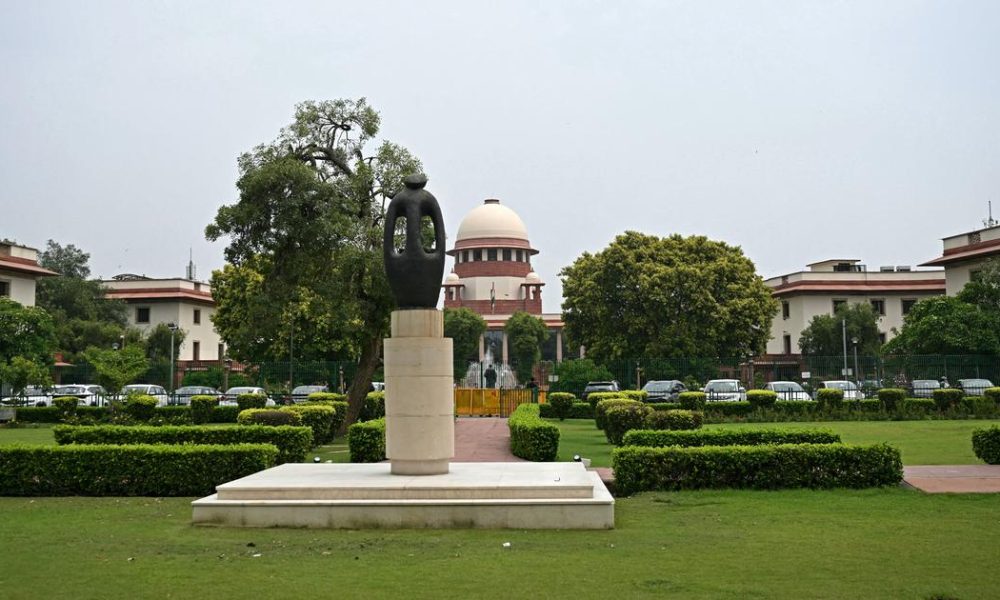
The Supreme Court of India has asserted that individuals whose names were removed from the electoral rolls during the recent intensive revision in West Bengal remain eligible for certain welfare benefits, including subsidized ration. This observation came during a hearing on Wednesday, where the court addressed the plight of those affected by the revision process.
Despite the court’s recognition of their entitlement, it chose not to entertain a specific plea related to the suspension of a petitioner’s ration card. The petitioner, Mohibulla Mondal, had sought to challenge an order from the West Bengal Department of Food and Supplies issued in June. The court advised him to seek redressal from the Calcutta High Court instead. The June order stipulates that individuals identified as having been removed from the voter list during the revision exercise would have their ration cards marked inactive, effectively linking their welfare benefits to their status on the electoral rolls.
During the proceedings, Chief Justice Surya Kant emphasized that being excluded from the electoral rolls does not automatically eliminate a person’s right to receive specific welfare benefits. He stated, “You are entitled to certain benefits,” encouraging affected individuals to approach the jurisdictional High Courts for assistance. This statement highlights the ongoing legal and administrative complexities surrounding welfare entitlements in the context of electoral roll revisions.
The issue has sparked significant debate in West Bengal, where the recent voter list revision has led to numerous individuals being removed. As the state government continues to implement policies linking welfare benefits to electoral registration, concerns have emerged regarding the social implications for those excluded from the rolls. Many fear that this could lead to a deprivation of essential resources, particularly for vulnerable populations who rely heavily on subsidized food grains for their livelihoods.
As the Supreme Court directs affected individuals to seek justice through the appropriate legal avenues, the underlying question remains: how can the balance between electoral integrity and welfare access be maintained in a way that protects the rights of all citizens? The case represents a pivotal moment in the ongoing discussion about the intersection of governance, social welfare, and individual rights in India.
Source: scroll.in






No Comment! Be the first one.