

Supreme Court Hearing on Air India Crash: Investigators Cite Media Influence on Witnesses
The investigation into the tragic June 2025 Air India plane crash, which resulted in the loss of 260 lives, has taken a significant turn as the Aircraft Accident Investigation Bureau (AAIB) informed...

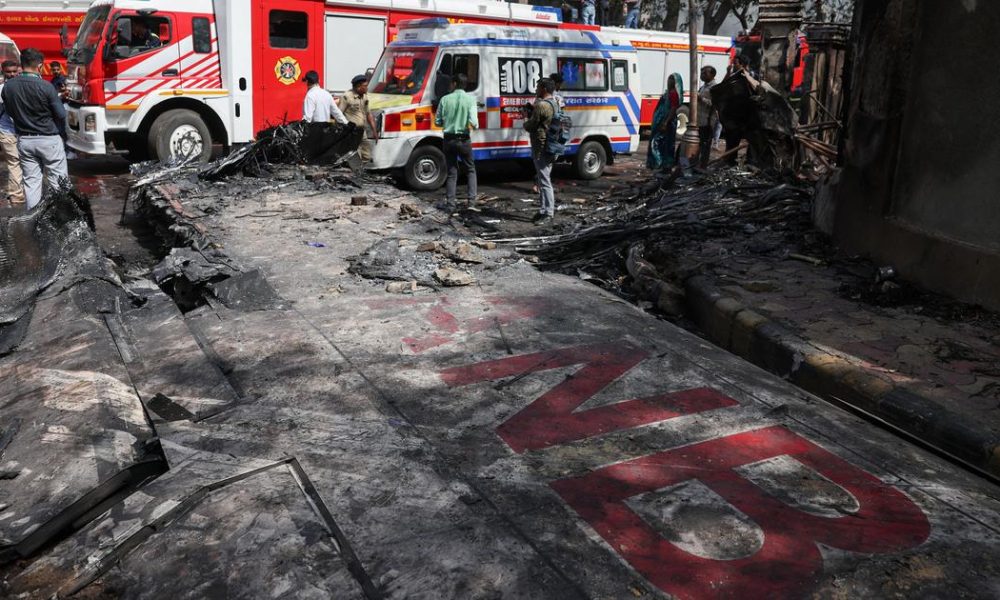
The investigation into the tragic June 2025 Air India plane crash, which resulted in the loss of 260 lives, has taken a significant turn as the Aircraft Accident Investigation Bureau (AAIB) informed the Supreme Court that media narratives blaming the pilots have hindered witness cooperation. This revelation came during the ongoing inquiry into the crash, emphasizing the impact of public speculation on the investigative process.
The AAIB’s director general submitted an affidavit to the Supreme Court, stating that certain witnesses have become ‘restrictive and non-responsive’ due to the prevailing media coverage that attributes fault to the flight crew. This situation has raised concerns regarding the integrity of the investigation, as the bureau is currently in the critical stages of evidence collection and forensic analysis. With an expected completion timeline of around six weeks, the AAIB aims to finalize the draft report by October.
This legal matter arose from a petition filed by Pushkarraj Sabharwal, father of Captain Sumeet Sabharwal, who was the pilot of the ill-fated Boeing 787-8 Dreamliner. Along with the Federation of Indian Pilots, Sabharwal approached the Supreme Court in October, advocating for a court-monitored inquiry into the crash. The plea reflects apprehensions regarding the preliminary findings, which they claim are biased against the pilots.
On June 12, 2025, the aircraft was on a routine flight to London’s Gatwick Airport when it tragically crashed just 33 seconds post-takeoff from Ahmedabad. Among the 242 individuals on board, only one passenger survived, while 19 others lost their lives on the ground when the plane collided with a hostel building of the BJ Medical College and Hospital. The scale of the tragedy has heightened scrutiny surrounding the conduct of the investigation and the narratives formed in its aftermath.
As the investigation progresses, the AAIB emphasizes the importance of unbiased reporting and the need to allow investigators to conduct their work without external pressures. The outcome of this inquiry holds significant implications not only for the families affected but also for the aviation industry in India, where safety and accountability are paramount.
Source: scroll.in







No Comment! Be the first one.